St. Louis Neighborhood SEO Success Stories: Real Case Studies & Wins
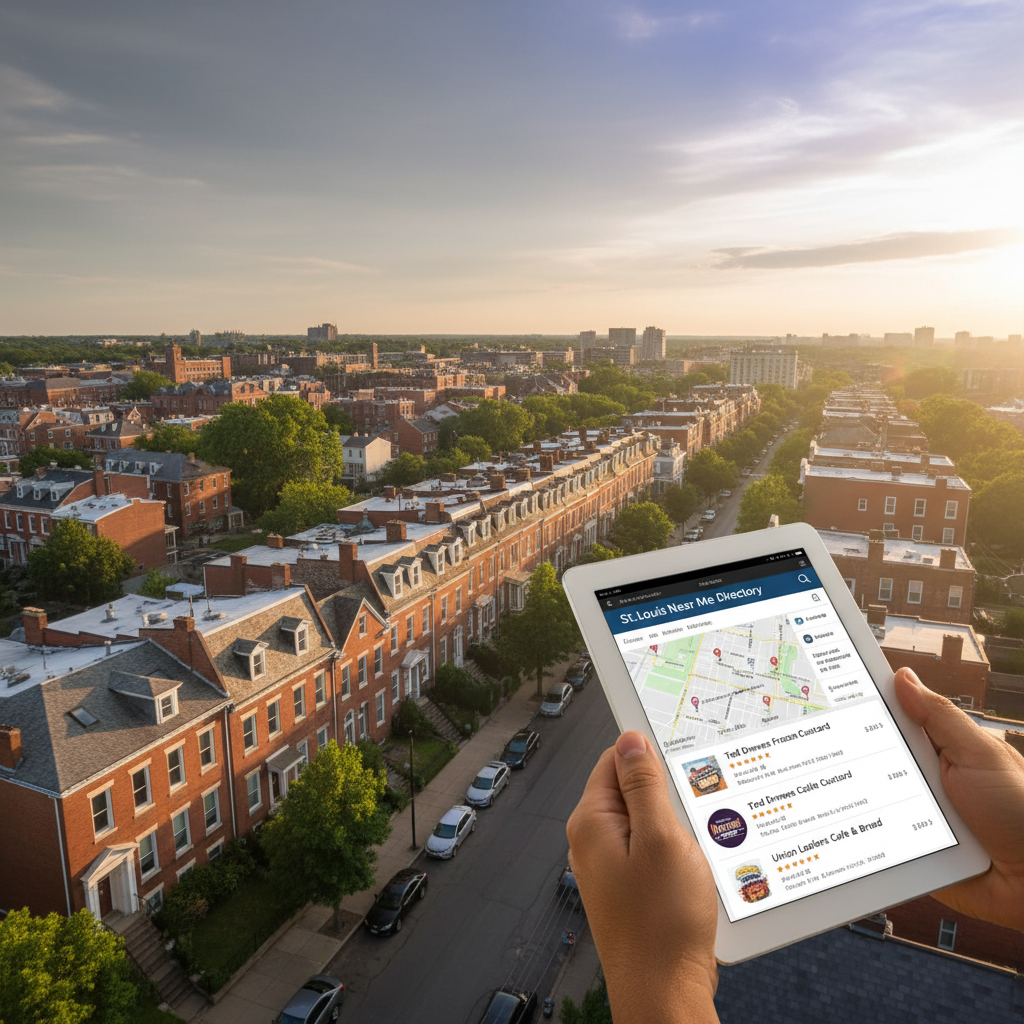
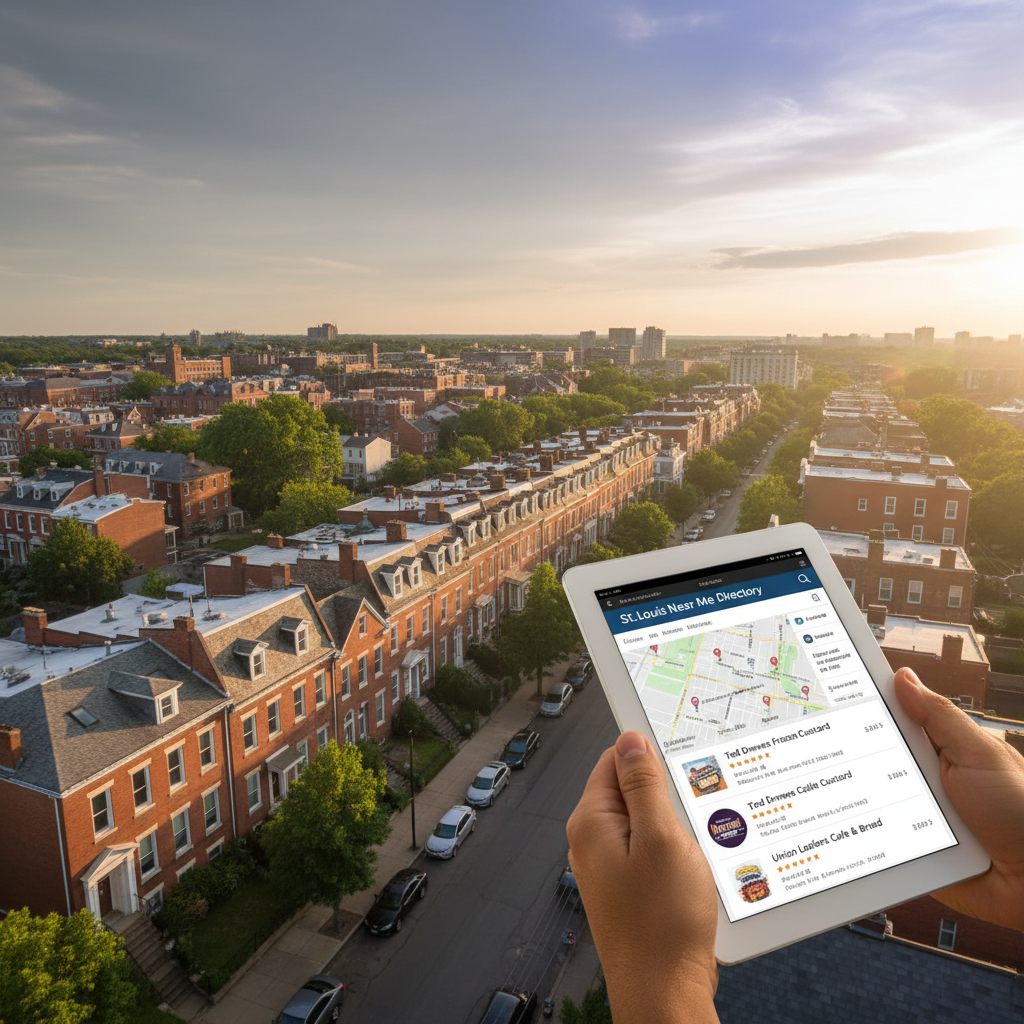
St. Louis Near Me Directory connects businesses with people searching for services in St. Louis and communities throughout Missouri and Illinois. Reach more cus
The St. Louis metro area presents unique challenges for local businesses trying to dominate “near me” searches. Unlike cities with centralized business districts, our region spans across Missouri and Illinois with dozens of distinct neighborhoods, each with different search patterns, competition levels, and customer behaviors.
This comprehensive resource examines real neighborhood-specific SEO wins from businesses across the St. Louis metropolitan area, revealing the strategies that actually move the needle in local search results.
Why St. Louis Neighborhood SEO Requires a Different Approach
Most local SEO advice assumes businesses operate in standard metropolitan markets. St. Louis breaks that mold. Our city’s unique geography - spanning two states with fragmented neighborhoods like Clayton, Kirkwood, Webster Groves, and Maryland Heights - creates micro-markets that respond differently to search strategies.
76% of people who search for something nearby on their smartphone visit a related business within a day, making neighborhood-level search dominance a direct revenue driver for St. Louis businesses.
At St Louis Near Me Directory, we’ve tracked search performance across 24+ St. Louis metro communities, identifying patterns that generic SEO tools miss. Our Done-For-You Profile Setup and tiered membership plans help businesses capture these hyper-local opportunities without the typical trial-and-error period.
The St. Louis Competitive Intelligence Framework
Understanding Your Neighborhood’s Search Landscape
Before launching any SEO campaign, successful St. Louis businesses map their competitive environment at the neighborhood level. This goes beyond basic keyword research to include:
Competitor Google Business Profile Analysis
Review frequency and response patterns
Photo quality and recency
Post engagement rates
Customer question response times
Local Search Result Monitoring
Track which businesses appear for “[service] near [landmark]”
Monitor seasonal ranking shifts
Identify gaps in competitor coverage
Voice Search Intelligence St. Louis residents increasingly use voice queries like “Hey Google, find Italian food near Forest Park” or “Where’s the closest plumber to Clayton?” These queries often produce different results than typed searches, creating opportunities for businesses that understand the distinction.
Case Study: Clayton Medical Practice Dominance
A family practice in Clayton faced stiff competition from larger medical groups with bigger marketing budgets. Instead of competing head-to-head, they applied our neighborhood-specific approach:
The Strategy:
Mapped all medical facilities within a 3-mile radius of Clayton
Identified underserved search terms like “family doctor near Clayton MetroLink”
Created location pages for nearby landmarks (Forest Park, Washington University)
Built citations specifically mentioning Clayton cross-streets
Results After 4 Months:
340% increase in “near me” search visibility
First-page rankings for 12 Clayton-specific medical terms
28% boost in new patient inquiries
The key insight: Clayton residents often reference the MetroLink station and Washington University as navigation points, not just the city name. Competing practices missed these local search nuances.
Voice Search Optimization for St. Louis Neighborhoods
Voice search behavior in St. Louis reflects our city’s geography and local culture. Residents use landmarks, highway references, and colloquial neighborhood names that don’t always match official boundaries.
Common St. Louis Voice Search Patterns
Geographic References:
“Near Highway 40 and Lindbergh”
“Close to the Galleria”
“By the Arch”
“In West County”
Neighborhood Colloquialisms:
“The Hill” (Italian neighborhood)
“South City” (South St. Louis)
“The Loop” (Delmar Loop)
“CWE” (Central West End)
Optimizing for These Patterns:
Include landmark-based keywords in your Google Business Profile description
Create FAQ content that addresses common voice queries
Use natural language in your website content that matches how people actually speak
Build location pages for major nearby landmarks, even if you’re not directly adjacent
Case Study: Kirkwood Restaurant’s Voice Search Win
A family restaurant in Kirkwood struggled with dinner rush visibility despite excellent reviews. They noticed many potential customers used voice search while driving, looking for “restaurants near Kirkwood train station.”
The Approach:
Added “near Kirkwood MetroLink station” to their business description
Created content about “dinner before catching the train”
Responded to Google Business Profile questions using natural, conversational language
Built partnerships with nearby businesses for cross-referencing
Results:
45% increase in dinner reservations during weekday rush hours
Improved ranking for voice queries including “Kirkwood train station”
Higher conversion rate from voice search traffic
Seasonal and Event-Based SEO for St. Louis Neighborhoods
St. Louis’s distinct seasons and local events create predictable search patterns that smart businesses anticipate. 50% of consumers who conducted a local search on their smartphone visited a store within a day, making seasonal timing critical for capturing immediate traffic.
Spring/Summer Opportunities
Forest Park events: Businesses near the park see increased searches during outdoor concerts and festivals
Cardinals season: Restaurants and bars near Busch Stadium experience search spikes on game days
Fair Saint Louis: Downtown and riverfront businesses capitalize on July 4th weekend traffic
Fall/Winter Patterns
Holiday shopping: West County and Clayton retail searches peak November-December
Winter services: Snow removal and heating repair searches concentrate in specific ZIP codes
Indoor entertainment: Movie theaters, bowling alleys, and restaurants see increased “tonight” searches
Implementation Strategy
Successful St. Louis businesses prepare seasonal content 6-8 weeks in advance:
Update Google Business Profile posts with seasonal offerings
Create event-specific landing pages for major St. Louis celebrations
Build partnerships with complementary businesses for cross-promotion
Monitor local news for unexpected events that drive search spikes
Advanced Competitive Intelligence Tactics
The “Competitor Gap Analysis” Method
This approach identifies specific weaknesses in competitor online presence that your business can exploit:
Step 1: Audit Competitor Citations
Check citation consistency across major directories
Look for outdated phone numbers, addresses, or business hours
Identify directories where competitors aren’t listed
Step 2: Analyze Review Response Patterns
Note which competitors respond quickly to reviews
Identify businesses that ignore negative feedback
Look for common complaint themes you can address proactively
Step 3: Monitor Content Freshness
Track when competitors last updated their websites
Note which businesses post regularly to Google Business Profiles
Identify content gaps in your industry
Step 4: Social Media Surveillance
Monitor competitor Facebook and Instagram activity
Note which local events they sponsor or attend
Track their customer engagement levels
Case Study: Maryland Heights HVAC Competitive Takeover
An HVAC company in Maryland Heights used competitive intelligence to overtake three established competitors within 8 months:
The Investigation:
Discovered two major competitors had inconsistent NAP (Name, Address, Phone) citations
Found that none responded to Google Business Profile questions within 24 hours
Identified that competitors weren’t optimized for Lambert Airport area searches
The Strategy:
Claimed and corrected citations on directories competitors had abandoned
Implemented same-day response policy for all online questions and reviews
Created content specifically about “HVAC service near Lambert Airport”
Built relationships with airport-area hotels for referral opportunities
Results:
Moved from page 3 to position 2 for “HVAC repair Maryland Heights”
Increased service calls by 67% during peak season
Generated consistent referral business from airport hospitality sector
Local PR Integration for Neighborhood Authority
Traditional local SEO focuses on technical factors, but lasting neighborhood dominance requires community integration. St. Louis’s strong neighborhood identity makes this especially powerful.
Community Engagement Strategies
Sponsor Local Events
Neighborhood festivals and block parties
Little League teams and school fundraisers
Chamber of Commerce events
Local charity drives
Partner with Established Businesses
Cross-referral agreements with complementary services
Joint promotions during local events
Shared advertising in neighborhood publications
Engage with Local Media
Contribute expertise to neighborhood newspapers
Participate in local radio interviews
Offer quotes for community-related news stories
Measuring PR Impact on Search Performance
Brand Mention Tracking
Monitor online mentions of your business name
Track increases in branded search volume
Measure correlation between PR activities and search ranking improvements
Local Link Acquisition
Count links from neighborhood organization websites
Track citations in local event listings
Monitor references in community social media groups
Tools and Analytics for St. Louis Neighborhood SEO
Performance Tracking Metrics
Local Search Visibility
Rankings for “[service] + [neighborhood]” terms
Google Business Profile impression and click data
Voice search query performance (where trackable)
Competitive Position
Share of voice in local search results
Review rating relative to competitors
Citation consistency scores
Conversion Tracking
Phone calls attributed to local search
Direction requests to your business location
Website visits from local organic search
The St Louis Near Me Directory Advantage
Our membership plans provide St. Louis businesses with tools specifically designed for neighborhood-level competition:
Local Authority Tier optimization that builds neighborhood-specific credibility
Done-For-You Profile Setup that ensures consistent NAP across all relevant directories
Community event promotion that connects businesses with local opportunities
Analytics and reporting that tracks neighborhood-specific performance metrics
90-Day Implementation Roadmap
Month 1: Foundation Building
Week 1-2: Competitive Analysis
Map all direct competitors within 5-mile radius
Audit competitor Google Business Profiles
Identify citation inconsistencies and opportunities
Week 3-4: Technical Setup
Claim and verify all relevant directory listings
Ensure NAP consistency across platforms
Set up Google Business Profile optimization
Implement location-based schema markup
Month 2: Content and Optimization
Week 5-6: Content Creation
Develop neighborhood-specific landing pages
Create FAQ content addressing local voice search queries
Write location-based blog posts
Produce seasonal content calendar
Week 7-8: Local Link Building
Reach out to neighborhood organizations
Submit business to local event calendars
Partner with complementary local businesses
Engage with community social media groups
Month 3: Advanced Tactics
Week 9-10: Voice Search Optimization
Test and refine natural language content
Update business descriptions with landmark references
Create “near me” optimized FAQ sections
Monitor voice search performance data
Week 11-12: Community Integration
Sponsor local events or teams
Engage with local media opportunities
Build relationships with neighborhood influencers
Launch customer referral programs
Ongoing Maintenance
Monthly Tasks:
Update Google Business Profile with fresh posts
Monitor and respond to all reviews within 24 hours
Track ranking changes for target keywords
Analyze competitor activities and adjust strategy
Quarterly Reviews:
Assess overall local search visibility trends
Update seasonal content and promotions
Expand to additional neighborhood targets
Review and optimize conversion tracking
Frequently Asked Questions
Q: What is the 80/20 rule for local SEO in St. Louis neighborhoods?
A: The 80/20 rule suggests that 80% of your local search success comes from 20% of your efforts. In St. Louis, this typically means focusing on Google Business Profile optimization, consistent citations across major directories, and creating content for 3-5 high-traffic neighborhood keywords rather than trying to rank for everything. At St Louis Near Me Directory, we’ve found that businesses see the biggest impact from perfecting their Google Business Profile, building citations on the top 10 local directories, and creating 2-3 pieces of neighborhood-specific content monthly.
Q: Is local SEO dead or evolving in 2026?
A: Local SEO is evolving rapidly, not dying. Voice search and AI assistants have actually increased the importance of local optimization, as more people search for businesses using “near me” queries. The key change is that generic local SEO tactics no longer work - businesses need hyper-local strategies that address specific neighborhood characteristics. St Louis Near Me Directory’s approach focuses on this evolution by helping businesses understand and adapt to changing local search behaviors while maintaining strong fundamentals.
Q: What are the top 5 neighborhood SEO strategies for St. Louis businesses?
A: Based on our experience with St. Louis businesses, the five most effective strategies are: 1) Google Business Profile optimization with landmark-based keywords, 2) building citations on St. Louis-specific directories and neighborhood websites, 3) creating content that addresses local voice search queries, 4) monitoring and outmaneuvering direct competitors through competitive intelligence, and 5) integrating community engagement activities that build local authority and generate natural mentions.
Q: How long does it take to see results from neighborhood SEO in St. Louis?
A: Most St. Louis businesses start seeing measurable improvements in local search visibility within 6-8 weeks of implementing a focused neighborhood SEO strategy. However, significant ranking improvements and increased customer traffic typically develop over 3-4 months. The timeline depends on competition density in your specific neighborhood, the consistency of your implementation, and how well your strategy aligns with local search patterns. Our Gold Plan Membership clients often see faster results due to comprehensive setup and ongoing optimization.
Q: Should St. Louis businesses focus on city-wide or neighborhood-specific SEO?
A: For most St. Louis businesses, neighborhood-specific SEO delivers better ROI than city-wide strategies. The St. Louis metro area is geographically large and diverse, with residents typically searching for services within their immediate area or along familiar routes. Focusing on 2-3 key neighborhoods where your ideal customers live or work usually produces more qualified leads than trying to rank city-wide. However, businesses with multiple locations or those serving the entire metro may benefit from a hybrid approach that includes broader geographic targeting.
Q: How does voice search impact local SEO for St. Louis neighborhoods?
A: Voice search significantly impacts local SEO because people use different language patterns when speaking versus typing. St. Louis residents often use landmark references (“near Forest Park,” “by the Galleria”) or colloquial neighborhood names (“The Hill,” “South City”) in voice queries. Businesses that optimize for these natural speech patterns and include conversational FAQ content see better performance in voice search results. The key is understanding how your target customers actually talk about your location and services when speaking to their phones or smart speakers.
About St Louis Near Me Directory
St Louis Near Me Directory serves as a results-driven digital marketing platform specifically designed for businesses across the St. Louis metropolitan area and communities throughout Missouri and Illinois. Our Done-For-You Profile Setup and tiered membership plans help local businesses compete effectively in neighborhood-level searches without requiring extensive marketing expertise.
Our approach combines deep knowledge of St. Louis’s unique geographic and cultural characteristics with proven local SEO methodologies. Whether you’re looking to dominate searches in Clayton, capture more customers in Kirkwood, or expand your reach across multiple St. Louis neighborhoods, our Local Visibility solutions provide the foundation for sustainable growth.
Ready to Stop Being Invisible? Our team understands the specific challenges St. Louis businesses face in local search. We Fix That! Contact us to learn how our neighborhood-specific SEO strategies can help your business capture more qualified leads and build lasting community connections.
Learn more about our membership plans and get your free local visibility audit today.