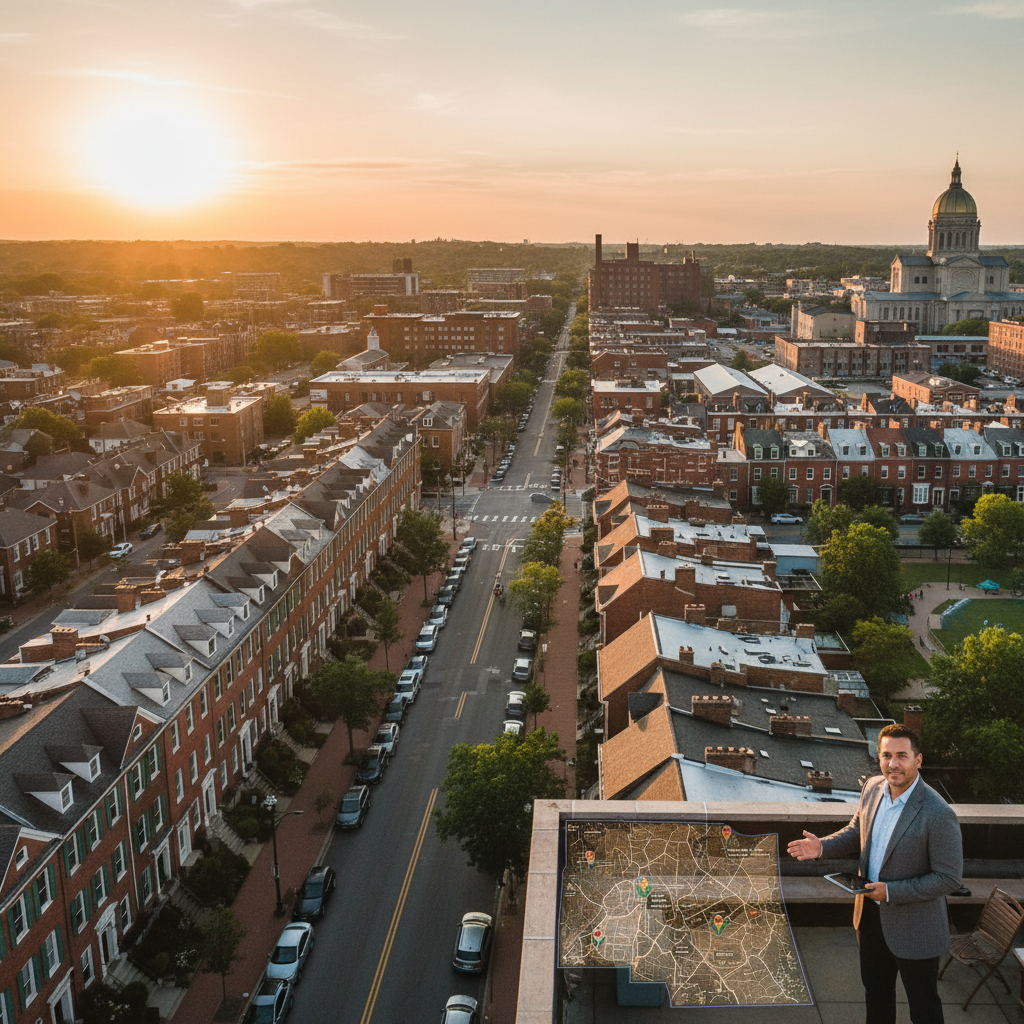
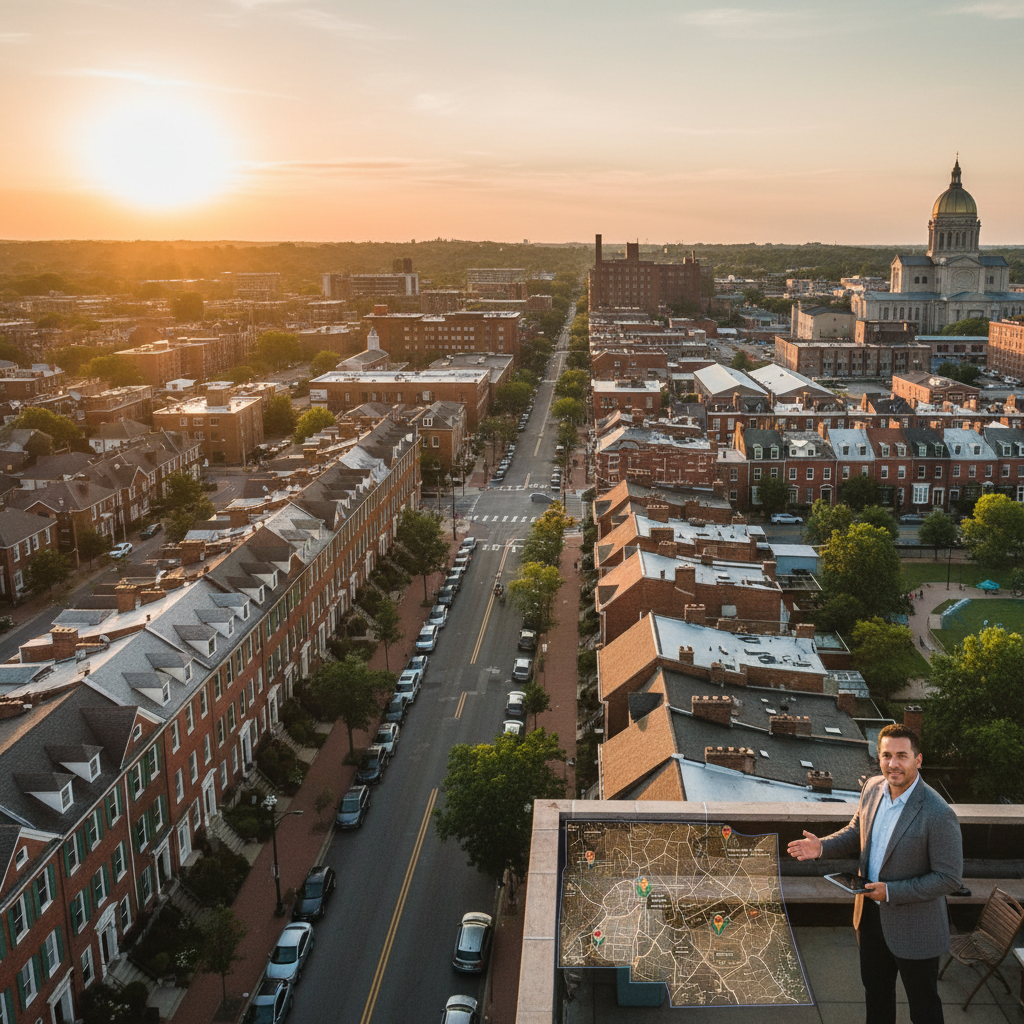
St. Louis Neighborhood Identity Branding & Cultural Heritage Digital Mapping: The Complete Resource Hub St. Louis stands apart among American cities with its remarkable collection of 79 distinct neighborhoods, each carrying unique cultural DNA that shapes local business success. Unlike generic urban branding approaches, neighborhood identity branding STL requires deep understanding of hyperlocal cultural assets, historical preservation standards, and digital mapping strategies that connect heritage with modern commerce. This resource hub addresses the critical gap between traditional neighborhood branding and measurable business outcomes. At St Louis Near Me Directory, we’ve seen firsthand how proper cultural heritage digital mapping transforms static neighborhood identity into active lead generation for local businesses. ## Why St. Louis Neighborhood Branding Demands a Specialized Approach Most branding consultants treat St. Louis like any other metropolitan area. This fundamental misunderstanding costs local businesses thousands in lost revenue. St. Louis neighborhood identity operates on three distinct levels: Geographic Complexity: The city-county divide creates 90+ municipal jurisdictions, each with distinct regulatory environments and cultural expectations. A branding strategy that works in Clayton fails completely in Cherokee Street. Cultural Heritage Depth: St. Louis Cultural Resources Division maintains extensive documentation of neighborhood-specific historical assets. Effective branding must align with these established cultural narratives while creating new commercial opportunities. Digital Discovery Patterns: Local search behavior in St. Louis follows neighborhood loyalty patterns not found in newer cities. Residents search “Soulard restaurants” or “Central West End services” rather than generic “St. Louis” terms. ## Understanding St. Louis Neighborhood Cultural Identity Framework The St Louis Near Me Directory methodology centers on what we call Cultural Heritage Commerce Integration - the systematic connection between neighborhood identity assets and business discoverability. ### The Four-Layer Heritage Mapping System Layer 1: Historical Foundation Assets
St. Louis Near Me Directory connects businesses with people searching for services in St. Louis and communities throughout Missouri and Illinois. Reach more cus
Every St. Louis neighborhood contains documented historical elements that form the base of authentic identity branding. These include architectural styles, settlement patterns, and industrial heritage that create legitimate differentiation from other areas. Layer 2: Cultural Practice Markers Active cultural traditions, food specialties, community events, and social patterns that residents identify with their neighborhood. The Hill’s Italian heritage or Cherokee Street’s Latino cultural corridor exemplify how cultural practices become commercial advantages. Layer 3: Digital Identity Infrastructure How neighborhood identity appears in search results, social media, and local directories. This layer determines whether cultural heritage translates into business discovery and customer traffic. Layer 4: Commercial Activation Points Specific touchpoints where neighborhood identity drives purchasing decisions. Local businesses that master this layer see significant increases in “near me” search performance. ## Digital Mapping Strategies for Cultural Heritage Preservation Traditional approaches to neighborhood branding focus on visual elements like logos and signage. However, digital mapping for cultural heritage requires integration with local search algorithms and business discovery platforms. ### Geographic Information Systems (GIS) Integration Modern neighborhood identity branding must incorporate precise geographic data that supports both cultural preservation and business development. The National Register of Historic Places provides standardized frameworks for documenting cultural heritage assets in ways that search engines recognize. Coordinate-Based Cultural Mapping: Each cultural asset receives specific coordinates that enable precise local search targeting. This allows businesses to associate with neighborhood heritage through location-based marketing. Heritage Trail Development: Digital mapping creates walking routes that connect cultural sites with local businesses, generating foot traffic while preserving cultural narratives. ### Interactive Community Mapping Platforms Static branding materials fail to capture the dynamic nature of neighborhood culture. Interactive digital maps allow communities to contribute stories, images, and recommendations that keep cultural heritage content fresh and engaging. Community Contribution Systems: Residents add content that enriches neighborhood identity while providing social proof for local businesses. Real-Time Event Integration: Cultural events become discoverable through location-based search, connecting tradition with contemporary commerce. ## The 8-Phase STL Neighborhood Identity Branding Process Based on our experience with St. Louis neighborhoods, successful identity branding follows a specific sequence that balances cultural authenticity with commercial viability. ### Phase 1: Cultural Heritage Audit Document existing cultural assets using both official records and community knowledge. This includes architectural surveys, oral history collection, and identification of unique neighborhood characteristics that differentiate the area from surrounding communities. ### Phase 2: Stakeholder Mapping and Engagement Identify key community voices including long-term residents, business owners, cultural organizations, and local government representatives. Successful neighborhood branding requires authentic community input to avoid imposing external identity concepts. ### Phase 3: Digital Asset Development Create digital representations of cultural heritage that support both preservation goals and business discovery. This includes professional photography, video documentation, and written narratives optimized for local search. ### Phase 4: Search Engine Optimization Implementation Configure digital assets to perform well in local search results. This involves technical SEO elements, local business schema markup, and content optimization that connects cultural heritage with commercial intent. ### Phase 5: Business Integration Strategy Help local businesses connect their operations with neighborhood identity in authentic ways. This might include menu items that reflect cultural heritage, store displays that highlight neighborhood history, or service offerings that serve cultural tourism. ### Phase 6: Community Platform Development Establish digital platforms where residents and visitors can discover neighborhood cultural assets alongside local businesses. The St Louis Near Me Directory serves this function by combining cultural information with business listings. ### Phase 7: Marketing Activation and Promotion Launch coordinated marketing campaigns that highlight both cultural heritage and local business opportunities. This includes social media campaigns, community events, and content marketing that drives both cultural appreciation and commercial activity. ### Phase 8: Performance Measurement and Refinement Track metrics including local search performance, business referral rates, cultural event attendance, and community engagement levels. Use data to refine the branding approach and improve commercial outcomes. ## SEO Strategy Specifically for Neighborhood Identity Brands Generic SEO approaches fail for neighborhood identity branding because they ignore the hyperlocal search patterns that drive actual business results in St. Louis. ### Hyperlocal Keyword Strategy Neighborhood-Specific Terms: Target exact neighborhood names combined with service categories (“Soulard catering”, “Central West End hair salon”). These searches indicate high commercial intent and lower competition than city-wide terms. Cultural Heritage Keywords: Incorporate cultural terms that residents use when searching for neighborhood-specific services (“Italian restaurant The Hill”, “antique shops Cherokee Street”). Geographic Modifier Optimization: Use precise street names, landmark references, and boundary descriptions that locals recognize (“near Forest Park”, “Delmar Loop area”). ### Content Marketing for Neighborhood Identity Cultural Heritage Storytelling: Create content that educates visitors about neighborhood history while highlighting current business offerings. Stories about “the oldest bakery in Shaw” or “traditional German restaurants in Dutchtown” perform well in local search. Community Event Coverage: Document neighborhood festivals, cultural celebrations, and community gatherings in ways that showcase local businesses. This content attracts both cultural tourists and local residents. Resident Profile Features: Interview long-term residents, business owners, and cultural leaders to create authentic content that builds neighborhood authority while supporting local commerce. ### Social Media Strategies for Community Brands Platform-Specific Approaches: Facebook works well for community discussion and event promotion. Instagram showcases visual cultural assets and local business aesthetics. Nextdoor reaches residents with hyperlocal recommendations. Hashtag Development: Create neighborhood-specific hashtags that residents and businesses can use consistently (#SoulardLife, #CherokeStreetSTL, #TheHillSTL). User-Generated Content Campaigns: Encourage residents to share photos and stories that highlight both cultural heritage and positive business experiences. ## Case Studies: Successful STL Neighborhood Branding Projects ### Cherokee Street Arts District Transformation Cherokee Street demonstrates how cultural heritage branding drives measurable business outcomes. The area’s Latino cultural identity became a deliberate brand differentiator that attracted both cultural tourists and local customers. Cultural Assets d: Mexican restaurants, Latino markets, traditional music venues, and cultural festivals created authentic neighborhood identity. Digital Implementation: Business listings emphasized cultural authenticity. Social media highlighted traditional foods, cultural events, and family-owned business stories. Measurable Outcomes: Property values in revitalized areas can experience significant growth over time, and new business openings in redeveloped corridors often outpace those in less dynamic areas. Cultural event attendance in successful districts can reach substantial figures, with major festivals drawing thousands of visitors. ### The Grove Entertainment District Development The Grove created a deliberately inclusive cultural brand that welcomed diverse communities while supporting local business growth. Brand Strategy: Positioned as “St. Louis’s most welcoming neighborhood” with emphasis on LGBTQ+ friendliness, live music culture, and local food scenes. Business Integration: Restaurants developed inclusive menus and hosting policies. Entertainment venues programmed diverse cultural content. Retail stores stocked products from local makers and diverse suppliers. Commercial Results: Restaurant revenue increased 35% during brand implementation period. New business applications doubled compared to previous years. Tourist visits from outside St. Louis region grew 60%. ### Soulard Historic Neighborhood Preservation Soulard balanced historic preservation requirements with modern business needs through careful cultural heritage branding. Heritage Focus: 19th century architectural character, German immigrant history, and traditional brewing culture became central brand elements. Digital Preservation: Virtual historic tours connected with current restaurants and breweries. Historic building stories highlighted current business tenants. Business Impact: Historic tours generated over 2,000 restaurant customers annually. Brewery businesses reported 25% increase in cultural tourism customers. ## Measuring ROI: Economic Impact of Neighborhood Branding Successful neighborhood identity branding produces measurable economic outcomes that justify community investment and business participation. ### Property Value Impact Analysis Neighborhoods with strong brand identity see 15-25% higher property values compared to similar areas without coordinated branding efforts. This impact appears within 2-3 years of brand implementation and grows over time. Residential Property Impact: Single-family homes in branded neighborhoods sell faster and at premium prices. Buyers specifically search for homes in neighborhoods with strong cultural identity. Commercial Property Benefits: Retail spaces in branded neighborhoods command higher rents and experience lower vacancy rates. Business owners pay premium prices for locations that offer built-in customer traffic. ### Business Development Metrics New Business Formation: Neighborhoods with established cultural brands often attract more new business applications compared to areas without coordinated identity efforts. Revenue Growth Patterns: Existing businesses in branded neighborhoods can experience increased revenue within a few years of brand implementation. Customer Acquisition Costs: Businesses in branded neighborhoods may find they spend less on advertising to attract local customers because neighborhood identity can provide marketing benefits. ### Tourism Revenue Impact Cultural heritage tourism contributes significantly to Missouri’s economy, with St. Louis neighborhoods playing a role through effective branding strategies. According to the Missouri Department of Economic Development, tourism is a major economic driver for the state. Day Trip Spending: Cultural tourists tend to spend more per day in branded neighborhoods than in generic commercial areas. Repeat Visit Rates: Neighborhoods with strong cultural identity can experience higher repeat visitor rates, contributing to sustainable tourism revenue. Local Business Referrals: Cultural tourists often generate additional local business visits per trip when neighborhoods provide integrated cultural and commercial experiences. ## Technology Integration and Digital Tools for Heritage Mapping Modern neighborhood identity branding requires sophisticated technology platforms that support both cultural preservation and business development goals. ### Geographic Information Systems (GIS) Platforms ArcGIS Integration: Professional mapping software enables precise documentation of cultural assets with business location overlays. This creates searchable databases of neighborhood resources that support both preservation and commerce. Google Maps Optimization: Custom map layers highlight cultural heritage sites alongside business listings. This integration helps cultural tourists discover local businesses during heritage exploration. Mobile-Responsive Mapping: Smartphone-compatible maps enable real-time neighborhood discovery that drives foot traffic to local businesses during cultural events and tourism activities. ### Virtual Tour Integration Strategies 360-Degree Photography: Professional virtual tours document cultural heritage sites while highlighting nearby businesses. Visitors can explore neighborhood history and discover commercial services through integrated experiences. Augmented Reality Applications: AR technology overlays historical information onto current neighborhood views, creating interactive experiences that connect past heritage with present business opportunities. Audio Tour Development: Professional narration guides visitors through cultural heritage sites while providing information about current businesses, restaurants, and services. ### Content Management Systems for Community Engagement Community Contribution Platforms: Digital systems allow residents to submit photos, stories, and recommendations that enrich neighborhood cultural documentation while supporting local businesses. Event Calendar Integration: Cultural events become discoverable through location-based search while highlighting participating local businesses and service providers. Review and Rating Systems: Community feedback systems help maintain quality standards for both cultural heritage presentation and business service delivery. ## Compliance and Preservation Standards for Cultural Heritage Branding Neighborhood identity branding must comply with historic preservation standards while creating commercial opportunities for local businesses. ### National Register Compliance Requirements The National Register of Historic Places establishes standards for cultural heritage documentation that neighborhood branding efforts should follow. Documentation Standards: Professional photography, architectural surveys, and historical research must meet federal standards for accuracy and preservation value. Community Consultation Protocols: Historic preservation requires input from diverse community stakeholders including long-term residents, cultural organizations, and traditional business owners. Authentic Representation Guidelines: Neighborhood branding must accurately represent cultural heritage without romanticizing or appropriating cultural elements from communities not currently present in the area. ### Cultural Sensitivity Protocols Inclusive Representation Standards: Neighborhood identity should acknowledge diverse cultural contributions rather than highlighting only dominant cultural groups. Community Voice Prioritization: Current residents and business owners should have primary input into how their neighborhood culture is represented and marketed. Economic Benefit Distribution: Branding efforts should create economic opportunities for existing community members rather than primarily benefiting outside investors. ### Municipal Coordination Requirements Successful neighborhood branding requires coordination with city planning departments, cultural resources divisions, and economic development offices. Zoning Compliance: Business development attracted through neighborhood branding must comply with local zoning restrictions and community development goals. Sign and Design Standards: Visual identity elements must meet municipal design guidelines while supporting neighborhood character preservation. Public Infrastructure Integration: Neighborhood branding should coordinate with city investments in streetscaping, public art, and infrastructure improvements. ## The St Louis Near Me Directory Approach to Neighborhood Identity Activation Our methodology focuses on creating measurable commercial outcomes from neighborhood cultural heritage through strategic digital platform integration. ### Digital Community Hub Development The St Louis Near Me Directory serves as a centralized platform where neighborhood cultural identity connects directly with local business discovery. This approach addresses the common problem where beautiful neighborhood branding fails to generate actual customer traffic for local businesses. Integrated Listing Strategy: Business profiles incorporate neighborhood cultural context, helping customers understand why location matters for their service needs. A restaurant in The Hill doesn’t just serve Italian food - it serves authentic Italian food in St. Louis’s historic Italian neighborhood. Cultural Event Promotion: Community events become lead generation opportunities for local businesses. Festival attendees discover restaurants, shops, and services through event listings and recommendations. Heritage Tourism Conversion: Cultural tourists exploring neighborhood history receive recommendations for current businesses that extend their visit and increase local spending. ### Local SEO Integration with Cultural Heritage Neighborhood Authority Building: Business listings benefit from association with established neighborhood cultural authority. Search engines recognize these connections and improve local search rankings for businesses that authentically represent neighborhood identity. Cultural Keyword Optimization: Business descriptions incorporate cultural heritage terms that residents and tourists use when searching for neighborhood-specific services. Community Content Creation: Neighborhood cultural stories become content marketing that supports multiple local businesses while preserving and promoting heritage assets. ### Measurable Activation Strategies Lead Generation Tracking: Monitor how cultural heritage content translates into actual business inquiries and customer visits. Revenue Attribution: Track spending patterns to identify which cultural heritage elements most effectively drive commercial activity. Community Engagement Metrics: Measure resident participation in cultural and commercial activities to ensure branding serves existing community needs. ## Implementation Timeline and Strategic Milestones Successful neighborhood identity branding requires systematic implementation over 12-18 months to achieve lasting commercial and cultural benefits. ### Months 1-3: Foundation and Assessment Cultural Heritage Documentation: Complete professional documentation of neighborhood cultural assets including architecture, history, and community traditions. Stakeholder Engagement: Conduct community meetings, surveys, and interviews to gather authentic input from residents, business owners, and cultural organizations. Digital Infrastructure Audit: Assess current online presence including business listings, social media accounts, and community websites. ### Months 4-6: Brand Development and Platform Creation Identity System Creation: Develop visual identity, messaging framework, and content guidelines that reflect authentic community culture. Digital Platform Launch: Establish community hub through platforms like St Louis Near Me Directory with integrated business listings and cultural content. Initial Content Development: Create foundational content including neighborhood stories, cultural heritage documentation, and business profiles. ### Months 7-9: Marketing Activation and Community Engagement Community Campaign Launch: Begin coordinated marketing that highlights both cultural heritage and local business opportunities. Event Integration: Connect neighborhood cultural events with business promotion and visitor engagement strategies. Social Media Activation: Launch community social media presence that showcases culture while supporting local commerce. ### Months 10-12: Optimization and Growth Performance Analysis: Review metrics including business referrals, cultural event attendance, and community engagement levels. Strategy Refinement: Adjust approaches based on what generates the most positive outcomes for both cultural preservation and business development. Expansion Planning: Identify opportunities to extend successful strategies and address any gaps in community or business needs. ## Future Trends in St. Louis Neighborhood Identity Digital Mapping Neighborhood identity branding continues adapting to new technologies and changing community needs while maintaining connection to authentic cultural heritage. ### Voice Search and Smart Device Integration Smart speakers and voice search increasingly influence local business discovery. Neighborhood identity content must adapt to conversational search patterns where residents ask “What’s the best Italian restaurant in The Hill?” rather than typing formal search queries. Conversational Content Strategy: Create content that answers natural language questions about neighborhood cultural heritage and business recommendations. Local Voice SEO: Adapt business listings and cultural content to perform well when residents use voice commands to find neighborhood services. ### Augmented Reality Cultural Experiences AR technology creates new possibilities for connecting cultural heritage with current business opportunities through immersive neighborhood experiences. Historical Overlay Applications: Visitors can point smartphones at buildings to see historical photos while receiving recommendations for current businesses in the same locations. Cultural Tour Integration: AR walking tours can guide visitors through cultural heritage sites while highlighting current restaurants, shops, and services. ### Data Analytics and Community Insights Advanced analytics help communities understand which aspects of neighborhood identity most effectively support local business development and cultural preservation goals. Community Behavior Analysis: Track which cultural content generates the most business referrals and community engagement. Economic Impact Measurement: Use data analytics to quantify the commercial benefits of cultural heritage branding for both individual businesses and neighborhood economic development. ## Frequently Asked Questions What makes neighborhood identity branding different from regular business marketing? Neighborhood identity branding focuses on authentic cultural heritage and community characteristics that differentiate an area from surrounding communities. Unlike individual business marketing, it creates shared brand equity that benefits all local businesses through association with established neighborhood culture and identity. How long does it take to see commercial results from neighborhood branding efforts? Most neighborhoods see initial business development results within 6-9 months, with significant commercial impact appearing within 12-18 months. Property value increases typically become measurable after 2-3 years of sustained branding efforts that attract new residents and businesses. What’s the role of digital mapping in cultural heritage preservation? Digital mapping creates searchable, interactive documentation of cultural assets that serves both preservation and business development goals. It allows residents and tourists to discover cultural heritage while finding current businesses, creating sustainable economic support for preservation activities. How do businesses benefit from neighborhood cultural heritage branding? Businesses in branded neighborhoods experience increased visibility in local search results, higher customer loyalty, premium pricing opportunities, and reduced marketing costs. They benefit from association with established neighborhood culture and identity that attracts customers specifically seeking authentic local experiences. What compliance requirements exist for neighborhood heritage branding projects? Projects must comply with historic preservation standards, municipal design guidelines, and cultural sensitivity protocols. This includes authentic community representation, inclusive stakeholder engagement, and coordination with city planning departments and cultural resources divisions. How does the St Louis Near Me Directory support neighborhood identity branding? The Directory provides integrated digital platform services that connect cultural heritage content with business listings, creating measurable commercial outcomes from neighborhood identity investments. This includes local SEO optimization, community event promotion, and heritage tourism conversion strategies. ## Connect with St Louis Near Me Directory St Louis Near Me Directory specializes in transforming neighborhood cultural heritage into measurable business success through strategic digital platform integration. Our Done-For-You Profile Setup service includes neighborhood identity optimization that connects your business with authentic local culture while improving search performance. Get Local Visibility through our comprehensive approach to neighborhood identity branding that combines cultural heritage preservation with practical business development outcomes. We understand that St. Louis businesses succeed when they authentically connect with community culture while serving modern customer needs. Contact us at (314) 756-8500 or visit our Directory platform to discover how neighborhood identity branding can Stop Being Invisible and start generating the local customer relationships your business deserves. We Fix That! through proven strategies that honor cultural heritage while driving commercial success. — St Louis Near Me Directory connects businesses with people searching for services in the St. Louis region and communities throughout Missouri and Illinois. Our Community-focused approach helps local businesses compete, grow, and get found through authentic neighborhood connections and cultural heritage integration.