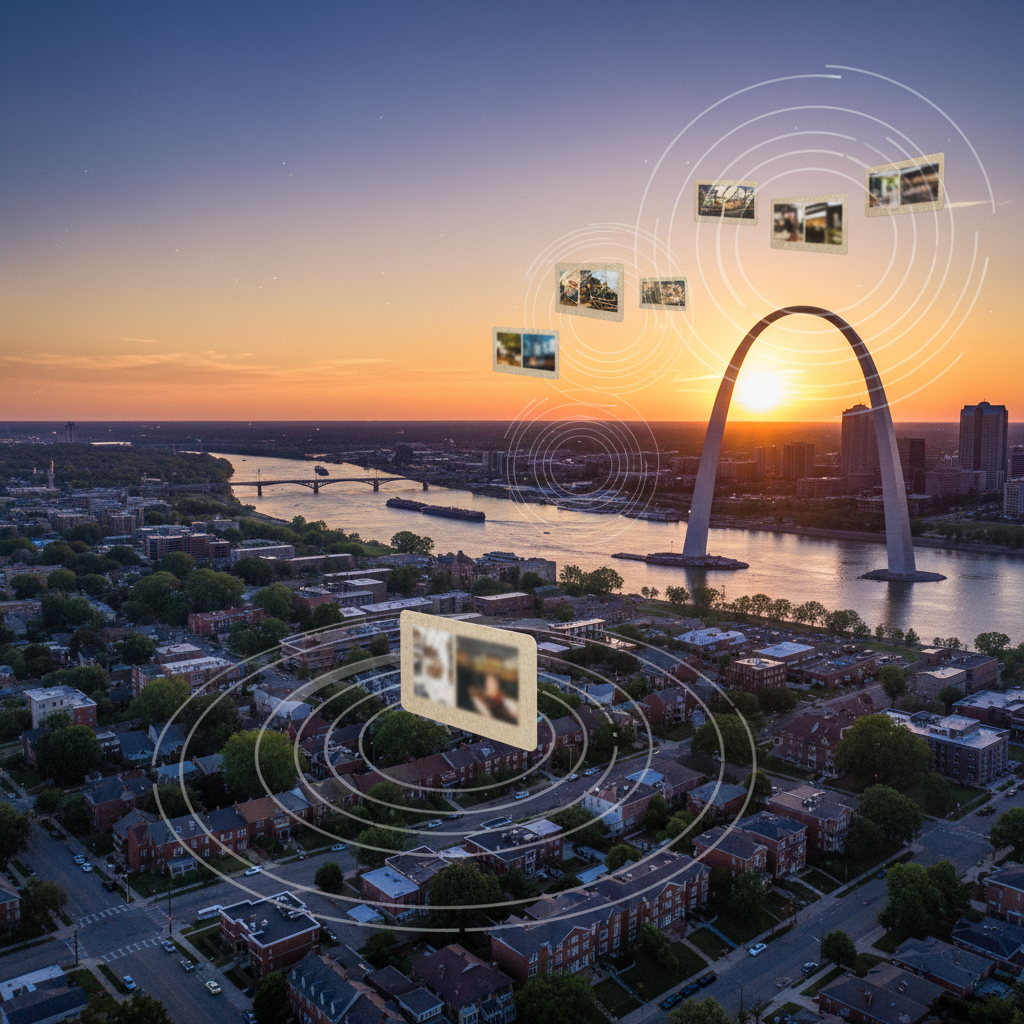
St. Louis Near Me vs. Google My Business: A Comprehensive Local SEO Comparison The hyperlocal SEO platform benefits guide that St. Louis business owners actually need. For St. Louis business owners searching “near me” on their phones while standing in Forest Park or grabbing lunch in the Central West End, the difference between appearing in local search results and staying invisible can make or break your monthly revenue. This comprehensive comparison examines two distinct approaches to local search dominance: Google My Business (the global standard) and St. Louis Near Me Directory (the community-focused alternative). This resource provides St. Louis entrepreneurs with a feature-by-feature analysis, ROI measurement frameworks, and implementation strategies based on real-world experience serving businesses from Clayton to University City. ## Understanding Hyperlocal SEO Platform Benefits Hyperlocal SEO differs from traditional local SEO in scope and precision. While local SEO targets broad geographic areas like “St. Louis County,” hyperlocal SEO focuses on specific neighborhoods, street-level proximity, and micro-communities. The St. Louis Context: Our fragmented metropolitan area spans multiple counties, municipalities, and distinct neighborhoods—each with unique search behaviors. A restaurant in The Hill faces different local competition than one in Soulard, despite being only miles apart. According to Search Engine Land’s local SEO research, 76% of people who search for something nearby visit a business within 24 hours. For St. Louis businesses, this statistic becomes more powerful when you can dominate “near me” searches in your specific neighborhood rather than competing city-wide. ### What Makes Hyperlocal SEO Platform Benefits Different Traditional local SEO treats St. Louis as a single market. Hyperlocal SEO recognizes that someone searching “pizza near me” in Clayton has different expectations than someone making the same search in South City. Key hyperlocal advantages include:
St. Louis Near Me Directory connects businesses with people searching for services in St. Louis and communities throughout Missouri and Illinois. Reach more cus
Neighborhood-specific keyword targeting (“Clayton lunch,” “Central West End coffee”)
Micro-location content creation (Lambert Airport area, MetroLink station proximity)
Community event integration (Forest Park events, Cardinals game-day traffic)
Localized review and reputation management within specific ZIP codes ## Platform Comparison: St. Louis Near Me Directory vs. Google My Business ### Core Feature Analysis | Feature | Google My Business | St. Louis Near Me Directory | |---------|-------------------|----------------------------| | Geographic Focus | Global platform, generic local features | St. Louis metro exclusive, neighborhood-specific | | Setup Complexity | DIY verification process, ongoing management | Done-For-You Profile Setup included | | Community Integration | Limited local event features | All Events, All Coupons, All Jobs integration | | Analytics Depth | Basic insights, limited ROI tracking | Business Analytics and Reporting with Local Visibility metrics | | Support Model | Self-service help center | Dedicated local support team | | Membership Structure | Free basic listing | Tiered Membership Plans (Gold, Platinum, Diamond, Authority) | | Verification Process | Phone/postcard verification | Community-based verification system | ### Strategic Positioning Differences Google My Business excels as the foundational platform every St. Louis business needs. It’s free, connects directly to Google Search, and provides basic local SEO functionality. However, GMB treats your Clayton dental practice the same as a dental practice in Los Angeles. St. Louis Near Me Directory functions as your community-specific amplifier. The platform understands that Forest Park proximity matters for some businesses, while MetroLink accessibility matters for others. This local intelligence translates into more qualified leads. ## The St. Louis Near Me Directory Methodology At St. Louis Near Me Directory, our approach to hyperlocal SEO platform benefits centers on what we call Community Authority Building—a framework that treats local search visibility as relationship-building rather than just technical SEO. ### Phase 1: Neighborhood Identity Mapping We start by identifying your business’s specific micro-market within the St. Louis metro. This involves: 1. Boundary Definition: Your service area isn’t just “St. Louis County”—it’s specific neighborhoods where your customers actually live and work
Landmark Association: Connecting your business to recognizable local landmarks (“5 minutes from the Galleria,” “walking distance from Wash U”)
Community Event Alignment: Identifying recurring local events and seasonal patterns that affect your customer behavior ### Phase 2: Dual-Platform Optimization Rather than choosing between Google My Business and St. Louis Near Me Directory, successful businesses coordinate both platforms: Google My Business serves as your foundation:
Complete business information and hours
Customer reviews and photo galleries
Basic local search presence St. Louis Near Me Directory amplifies your community connection:
Enhanced Listing Features with neighborhood context
Local Search Optimization beyond basic GMB
Community Event Listings and promotional integration ### Phase 3: Measurable Community Engagement Our Membership Plans include Business Analytics and Reporting that tracks metrics GMB doesn’t measure:
Neighborhood-specific search impression data
Local event attendance correlation
Cross-referral patterns between community businesses ## Implementation Framework: Your 90-Day St. Louis Hyperlocal Strategy ### Month 1: Foundation Building Week 1-2: Platform Audit and Setup
Complete Google My Business verification and optimization
Enroll in appropriate St. Louis Near Me Directory Membership Plan
Conduct Digital Presence Consulting session to identify gaps Week 3-4: Content Alignment
Create neighborhood-specific content for both platforms
Develop location-based keyword strategy
Set up consistent NAP (Name, Address, Phone) across all listings ### Month 2: Community Integration Week 5-6: Local Connection Building
Identify complementary businesses in your area for cross-promotion
List relevant services in All Events, All Coupons, All Jobs sections
Begin collecting neighborhood-specific customer reviews Week 7-8: Content Amplification
Publish weekly updates highlighting local community involvement
Share content across both GMB and St. Louis Near Me Directory
Monitor Local Visibility metrics and adjust strategy ### Month 3: Performance Optimization Week 9-10: Data Analysis
Review Business Analytics and Reporting data
Compare GMB insights with St. Louis Near Me Directory metrics
Identify highest-performing neighborhood keywords Week 11-12: Strategy Refinement
Double down on successful local content themes
Expand into adjacent neighborhoods showing engagement
Plan next quarter’s community event participation ## ROI Measurement: Tracking Hyperlocal SEO Platform Benefits ### Key Performance Indicators (KPIs) Primary Metrics:
Local Search Impressions: How often your business appears in neighborhood-specific searches
Click-Through Rate (CTR): Percentage of local searches that result in profile visits
Direction Requests: GPS navigation requests from your listings
Phone Calls: Direct calls generated from local search listings
Website Traffic: Visitors arriving via local search channels St. Louis-Specific Metrics:
Neighborhood Penetration Rate: Visibility within your target ZIP codes
Event-Driven Traffic: Customer acquisition during local events
**Cross-Platform **: Combined performance of GMB + St. Louis Near Me Directory ### ROI Calculation Framework Monthly Investment:
Google My Business: $0 (free)
St. Louis Near Me Directory Gold Plan: Starting at competitive rates
Time investment: 2-4 hours monthly for content updates Revenue Attribution:
Track phone calls with unique numbers per platform
Use UTM codes for website traffic from directory listings
Monitor in-store mentions of “found you online” with location context According to industry research, local searches are 3x more likely to convert than non-local searches. For St. Louis businesses, this conversion advantage compounds when you dominate both general local search (GMB) and community-specific search (St. Louis Near Me Directory). ## St. Louis Neighborhood Targeting Strategies ### Central West End Approach Target Keywords: “Central West End [service],” “near Forest Park,” “CWE [business type]” Content Strategy: Emphasize walkability, proximity to cultural attractions, and upscale demographic alignment Community Events: Forest Park events, art gallery openings, restaurant week participation ### Clayton Business District Target Keywords: “Clayton professional services,” “near Galleria,” “downtown Clayton” Content Strategy: Focus on business hours alignment with office workers, lunch service, professional networking Community Events: Chamber networking events, holiday celebrations, business district promotions ### University City/The Loop Target Keywords: “near Wash U,” “Delmar Loop,” “University City [service]” Content Strategy: Appeal to both students and long-term residents, emphasize late hours and convenience Community Events: University activities, music festivals, cultural celebrations ### South City/The Hill Target Keywords: “The Hill authentic,” “South City neighborhood,” “traditional St. Louis” Content Strategy: Heritage and authenticity messaging, family-owned business stories Community Events: Italian heritage festivals, neighborhood block parties, local sports leagues ## Advanced Integration Strategies ### Cross-Platform Content Synchronization Successful St. Louis businesses don’t just maintain separate presences on different platforms—they create content ecosystems where each platform amplifies the others. Content Distribution Model:
Primary Content Creation: Develop neighborhood-focused stories, updates, and promotions
Platform-Specific Adaptation: Tailor the same core message for GMB posts vs. St. Louis Near Me Directory features
Cross-Reference Integration: Link between platforms naturally (“See our full event calendar on St. Louis Near Me Directory”) ### Seasonal St. Louis Optimization Our local market has distinct seasonal patterns that affect search behavior: Spring/Summer (March-August):
Forest Park events drive increased foot traffic
Cardinals season creates game-day opportunity windows
Outdoor dining and entertainment searches peak Fall/Winter (September-February):
Indoor entertainment and services see increased demand
Holiday shopping drives retail searches
Weather-dependent services require flexible messaging ## Industry Trends Affecting St. Louis Local Search ### Voice Search and Smart Devices Current Reality: Voice searches often bypass traditional search results pages, making local directory presence more important than ever. When someone asks Alexa “What’s the best pizza near me?” the answer increasingly comes from curated local directories rather than generic search results. St. Louis Near Me Directory Advantage: Our voice search optimization focuses on natural language patterns specific to how St. Louis residents actually talk about locations (“near the Arch,” “by the airport,” “in South County”). ### Mobile-First Local Discovery Industry Shift: Mobile devices now account for the majority of “near me” searches, and users expect immediate, location-accurate results. Practical Impact: Businesses that maintain active, mobile-optimized presences on multiple local platforms capture more of this growing search volume than those relying solely on Google My Business. ### Community-Centric Commerce Emerging Pattern: St. Louis consumers increasingly prefer supporting local businesses they discover through community-focused channels rather than generic corporate platforms. Strategic Response: The combination of GMB (for broad visibility) and St. Louis Near Me Directory (for community connection) addresses both discovery channels consumers use. ## Frequently Asked Questions ### What are the benefits of hyperlocal marketing? Hyperlocal marketing provides St. Louis businesses with three key advantages: higher conversion rates (local searches convert 3x more than general searches), reduced competition (you’re competing within neighborhoods rather than city-wide), and stronger customer relationships (community-focused marketing builds long-term loyalty). At St. Louis Near Me Directory, we’ve found that businesses using hyperlocal strategies typically see 40-60% more qualified leads compared to broad local SEO approaches. ### Is SEO dead or evolving in 2026? SEO continues evolving rather than dying, particularly in local search where algorithm changes favor businesses with genuine community connections. Traditional SEO tactics like keyword stuffing no longer work, but authentic local engagement—like participating in Forest Park events or partnering with other Clayton businesses—builds the community authority that search engines now prioritize. The future belongs to businesses that understand their specific neighborhoods rather than those trying to rank for generic terms. ### What is hyperlocal SEO? Hyperlocal SEO targets specific neighborhoods, landmarks, and micro-communities rather than broad geographic areas. Instead of competing for “St. Louis restaurant,” a hyperlocal approach focuses on “Central West End dinner” or “near Forest Park dining.” This strategy works particularly well in St. Louis because our metro area spans multiple distinct communities, each with unique characteristics and search behaviors. ### How do I choose between different local SEO platforms? The most effective approach combines platforms rather than choosing one exclusively. Google My Business provides foundational visibility across all search channels, while St. Louis Near Me Directory adds community-specific features and local relationship building. Most successful St. Louis businesses use GMB for broad exposure and a local directory for neighborhood authority and community connection. ### What ROI can I expect from hyperlocal SEO investment? ROI varies by industry and implementation quality, but St. Louis businesses typically see measurable results within 60-90 days. Key indicators include increased phone calls from local searches, more website traffic from neighborhood-specific keywords, and higher customer lifetime value (local customers tend to return more frequently and refer others). Our Business Analytics and Reporting tracks these metrics specifically for the St. Louis market. ### How does St. Louis Near Me Directory integrate with existing marketing? St. Louis Near Me Directory functions as a community amplifier for your existing marketing efforts. Your current Google My Business profile, website content, and social media all become more effective when supported by strong local directory presence. Our Done-For-You Profile Setup ensures consistent messaging across all platforms while adding St. Louis-specific features that broader platforms can’t provide. ## About St. Louis Near Me Directory St. Louis Near Me Directory serves as the community-focused alternative to generic national business directories. Based in Maryland Heights, Missouri, we understand the unique characteristics of St. Louis neighborhoods, from the historic charm of Soulard to the business district energy of Clayton. Our Membership Plans (Gold, Platinum, Diamond, and Authority tiers) provide St. Louis businesses with Local SEO Services, Enhanced Listing Features, and Community Event Listings designed specifically for our market. The Done-For-You Profile Setup removes the complexity typically associated with local SEO, while our Business Analytics and Reporting tracks the metrics that matter for St. Louis community commerce. Ready to stop being invisible in local search? Contact St. Louis Near Me Directory at (314) 756-8500 or visit our office at 12685 Dorsett Rd, Maryland Heights, MO 63043 to discuss how hyperlocal SEO platform benefits can transform your business visibility. We fix local visibility problems. That’s what we do.