St. Louis Hyper-Local Business Ecosystem: The Complete Implementation Guide for Small Business Marketing
St. Louis Near Me Directory connects businesses with people searching for services in St. Louis and communities throughout Missouri and Illinois. Reach more cus
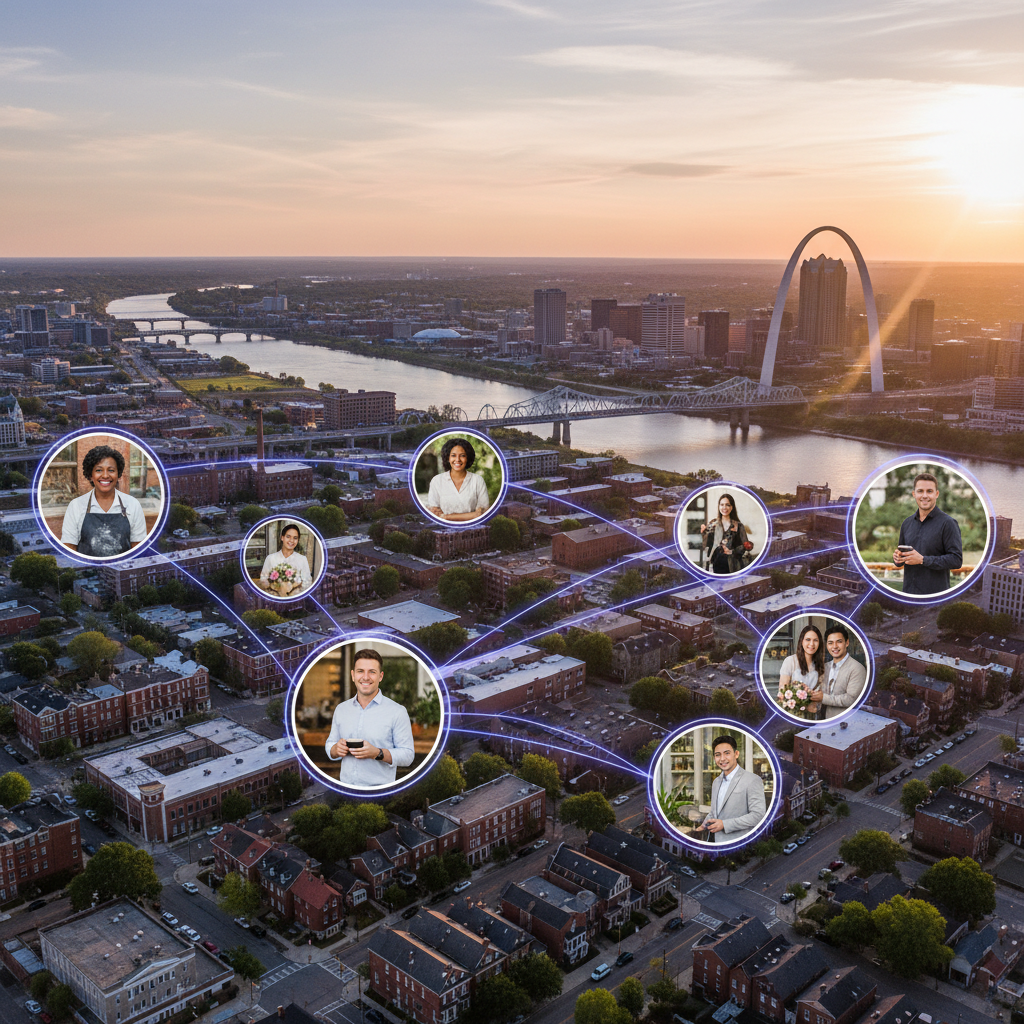
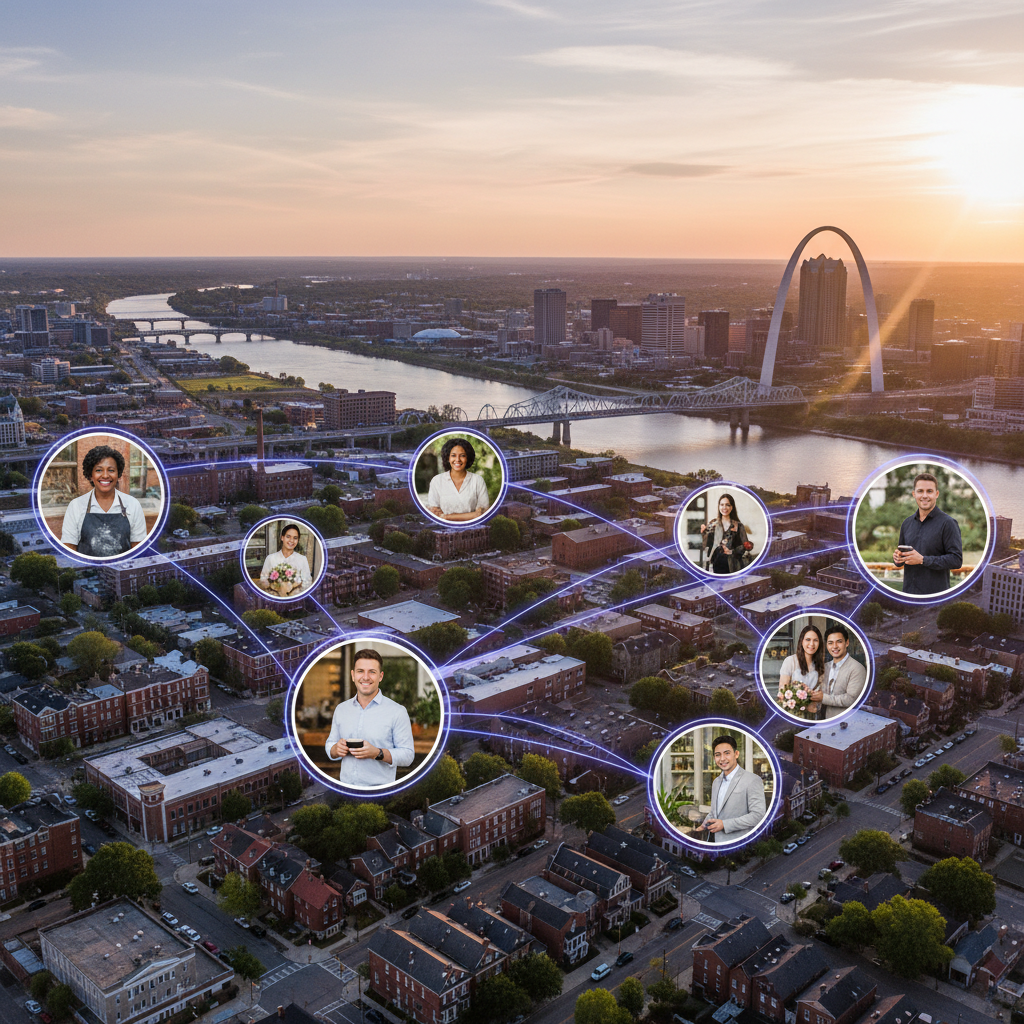
The traditional approach to local business marketing treats the St. Louis metro as a single market. This outdated perspective costs businesses thousands of potential customers who search, shop, and make decisions at the neighborhood level. Hyper-local integrated business ecosystems represent a fundamental shift from city-wide marketing to micro-community engagement, where businesses actively build and manage their presence within specific geographic and digital micro-environments.
At St Louis Near Me Directory, we’ve worked with over 40,000 businesses across 1,340+ Missouri and Illinois cities. The companies that thrive don’t just participate in the broader St. Louis business community — they architect their own neighborhood-level ecosystems. This guide breaks down exactly how they do it.
What Makes a Hyper-Local Business Ecosystem Different
A hyper-local integrated business ecosystem goes far beyond traditional directory listings or chamber memberships. It’s an interconnected network of businesses, customers, and community stakeholders operating within a specific geographic footprint — typically a 3-5 mile radius in urban areas like Clayton or the Central West End, or service territories covering 2-3 adjacent communities in areas like Maryland Heights and Creve Coeur.
The ecosystem approach recognizes three critical realities about St. Louis area commerce:
Geographic Fragmentation: Unlike cities with centralized downtown cores, St. Louis spreads across distinct municipalities with unique characteristics. A business strategy that works in Edwardsville won’t necessarily succeed in Wentzville. Each area has different customer behaviors, competition levels, and community dynamics.
Digital Micro-Communities: Modern consumers don’t search for “St. Louis plumber” — they search for “plumber near me” while standing in their kitchen in Belleville. Google’s algorithm prioritizes businesses that demonstrate genuine local authority within these micro-geographic areas.
Collaborative Advantage: Businesses that actively partner with complementary companies in their immediate area create referral networks that national chains and distant competitors can’t replicate.
The U.S. Census Bureau shows St. Louis County alone contains 90+ municipalities, each with distinct demographic profiles and business needs. Success requires treating each community as its own ecosystem rather than applying uniform city-wide strategies.
The St. Louis Near Me Directory Ecosystem Framework
Foundation Layer: Geographic Authority Building
Every successful hyper-local ecosystem starts with establishing legitimate authority within a defined geographic area. This means more than just having a business address — it requires demonstrating active community engagement through multiple digital touchpoints.
Our Gold Membership Plan provides the technical foundation through schema-optimized listings that can target up to 10 business categories across 40 specific locations. For a contractor serving both sides of the metro, this creates up to 400 keyword combinations that work simultaneously to capture neighborhood-specific searches.
The key insight: Google’s algorithm doesn’t recognize general “St. Louis area” authority. It recognizes patterns of consistent engagement with specific communities over time.
Integration Layer: Cross-Business Collaboration
The most successful hyper-local ecosystems facilitate genuine business-to-business partnerships that benefit all participants. We’ve observed three partnership models that consistently drive results:
Complementary Service Networks: A landscaper in University City partners with a deck builder, a pest control company, and a home security installer. When any business gets a service call, they can provide immediate referrals for related needs. Each business maintains its own customers while expanding the total value they can provide.
Shared Marketing Initiatives: Multiple businesses in the same neighborhood coordinate seasonal promotions, joint events, or shared content creation. A bakery, florist, and gift shop in Webster Groves might collaborate on Valentine’s Day marketing, sharing costs while reaching each other’s customer bases.
Resource Pooling: Smaller businesses combine resources for initiatives too expensive to handle individually — professional photography, local SEO audits, or community event sponsorships.
Our Platinum Membership Plan supports these collaborations through cross-publishing features that amplify partnership announcements across multiple business profiles while maintaining each company’s distinct brand identity.
Optimization Layer: Data-Driven Ecosystem Management
The most successful ecosystem participants track specific metrics that measure their integration success, not just individual business performance. Key performance indicators include:
Referral Network ROI: Revenue generated from partner referrals compared to traditional advertising costs
Neighborhood Search Capture: Percentage of relevant local searches where the business appears in top 3 results
Community Engagement Rate: Participation in local events, social media interactions, and collaborative marketing efforts
Cross-Pollination Metrics: How often customers discover the business through ecosystem partners versus direct search
Our Diamond Membership Plan includes reputation management tools that help businesses maintain consistent positive presence across all ecosystem touchpoints, plus monthly content creation that reinforces community authority.
Neighborhood-Specific Ecosystem Strategies
The Hill: Heritage-Based Community Commerce
The Hill’s Italian heritage creates unique ecosystem opportunities around food tourism and cultural authenticity. Restaurants, specialty food producers, and complementary businesses can build marketing around shared cultural narratives.
Ecosystem Strategy: Partner with other Hill businesses for “authentic Italian experience” packages. Cross-promote through shared storytelling about neighborhood history and family traditions.
Digital Integration: Use location-specific content that highlights Hill heritage while optimizing for searches like “authentic Italian restaurant St. Louis” and “Italian specialty foods near me.”
Central West End: Professional Services Hub
The CWE’s concentration of medical facilities, legal offices, and professional services creates B2B ecosystem opportunities around professional referrals and shared client services.
Ecosystem Strategy: Build referral networks between complementary professional services. A law firm might partner with accountants, financial advisors, and business consultants to provide comprehensive client support.
Digital Integration: Coordinate content marketing that positions the CWE as the region’s professional services center while maintaining individual business authority.
Delmar Loop: Creative Economy Collaboration
The Loop’s arts and entertainment focus supports ecosystems built around creative collaboration and cultural events.
Ecosystem Strategy: Partner across creative industries — musicians, visual artists, venues, and support services can create year-round programming that benefits all participants.
Digital Integration: Use event-based marketing and shared social media promotion to amplify individual businesses while building collective Loop brand recognition.
Digital Tools for Ecosystem Orchestration
Platform Integration Strategy
Successful hyper-local ecosystems require coordinated digital presence across multiple platforms, not just individual business websites. The most effective approaches include:
Synchronized Social Media: Partner businesses coordinate posting schedules to amplify each other’s content without appearing spammy. A home services company might share a local restaurant’s post about a community event they’re both supporting.
Cross-Platform Reviews: Encourage customers to mention partner businesses in reviews when appropriate. This creates natural linking between related services in Google’s understanding of local business relationships.
Shared Content Creation: Multiple businesses contribute to neighborhood-focused content — blog posts about local events, community guides, or seasonal business spotlights.
Local Discovery Optimization
The St Louis Near Me Directory platform is specifically designed to support ecosystem thinking through several key features:
Multi-Location Optimization: Single businesses can optimize for multiple service areas while maintaining authentic local connections in each community.
Category Cross-Referencing: Businesses appear in related category searches, increasing discovery opportunities through ecosystem partnerships.
Event and Promotion Integration: Shared events and collaborative promotions get amplified across all participating business profiles.
Measuring Ecosystem ROI: Success Metrics and KPIs
Financial Performance Indicators
Traditional marketing ROI focuses on individual business metrics. Ecosystem ROI requires tracking the compound value created through community integration:
Partnership Revenue Multiplier: Compare revenue from ecosystem partnerships to equivalent spending on traditional advertising. Successful ecosystem participants typically see 3-5x better results from referral partnerships than from equivalent ad spending.
Customer Lifetime Value Enhancement: Ecosystem customers often have higher lifetime values because they’re connected to multiple businesses in the network. A customer who discovers a plumber through a real estate agent referral is more likely to use both businesses again.
Market Share Concentration: Track the percentage of relevant searches where ecosystem participants appear together in results. Strong ecosystems often dominate the first page for neighborhood-specific searches.
Community Integration Metrics
Beyond financial returns, successful ecosystems build community presence that creates long-term competitive advantages:
Local Authority Score: Measure mentions in local media, participation in community events, and recognition by neighborhood organizations.
Referral Network Strength: Track the number and quality of businesses willing to actively refer customers, not just passive directory listings.
Community Event Impact: Assess participation in and sponsorship of local events as both a community contribution and marketing investment.
The St. Louis Economic Development Connection
Hyper-local business ecosystems align with broader regional economic development initiatives. The Small Business Administration’s St. Louis District Office recognizes that small business success drives regional economic health. Businesses that build strong neighborhood ecosystems contribute to community stability and economic resilience.
This connection creates opportunities for ecosystem participants to access development resources, grants, and partnership opportunities not available to isolated businesses. Communities with strong business ecosystems often qualify for additional economic development support and infrastructure investments.
Implementation Roadmap: Getting Started
Phase 1: Foundation Building (First 30 Days)
Week 1-2: Audit current local presence across all digital platforms. Identify gaps in neighborhood-specific optimization and community connections.
Week 3-4: Begin systematic community engagement through local business association membership, neighborhood social media groups, and initial partnership conversations.
Phase 2: Ecosystem Integration (Days 31-90)
Month 2: Establish formal partnerships with 2-3 complementary businesses. Set up referral tracking systems and shared marketing calendars.
Month 3: Launch collaborative marketing initiatives. Begin regular participation in community events and shared content creation.
Phase 3: Optimization and Expansion (Days 91-180)
Month 4-5: Analyze ecosystem performance data. Identify the most valuable partnerships and community activities. Scale successful initiatives.
Month 6: Expand ecosystem participation to include additional businesses and community stakeholders. Begin leadership roles in local business organizations.
Phase 4: Ecosystem Leadership (Ongoing)
Establish your business as a central ecosystem contributor. Facilitate connections between other businesses. Lead collaborative initiatives that benefit the entire neighborhood business community.
Advanced Ecosystem Strategies
Seasonal Ecosystem Coordination
St. Louis businesses face distinct seasonal challenges that ecosystem coordination can address:
Winter Months: Partner businesses can create indoor events and cross-promotional activities that drive traffic during slower periods.
Spring/Summer: Coordinate outdoor events, festivals, and seasonal service bundles that capitalize on increased community activity.
Holiday Seasons: Develop comprehensive neighborhood marketing campaigns that position the business district as a destination for holiday shopping and services.
Technology Integration
Modern ecosystem management requires coordinated technology use:
Shared Customer Relationship Management: Partner businesses can coordinate (with proper permissions) to provide better customer service and identify cross-selling opportunities.
Integrated Scheduling Systems: Service businesses can coordinate appointments to minimize customer travel time and maximize satisfaction.
Joint Digital Marketing: Coordinate email marketing, social media advertising, and content marketing to amplify individual business messages without overlap or competition.
Frequently Asked Questions
What’s the minimum number of businesses needed for an effective hyper-local ecosystem? Successful ecosystems can start with just 3-4 committed businesses in complementary industries. The key is active collaboration, not ecosystem size. A landscaper, pest control company, and home security installer can create significant mutual value even as a small network.
How do I identify potential ecosystem partners in my area? Start with businesses that serve similar customers but offer different services. Look for companies that participate in local chambers of commerce, sponsor community events, or actively engage in neighborhood social media groups. The best partners are businesses that already demonstrate community commitment.
What if my competitors join the same ecosystem? Healthy ecosystems often include multiple businesses in similar industries. Competition within an ecosystem drives higher service quality and gives customers choices while maintaining the collective advantage over businesses outside the network. Focus on differentiation through specialization rather than excluding competitors.
How long does it take to see results from ecosystem participation? Most businesses see initial referral activity within 30-60 days of active ecosystem participation. Significant search ranking improvements typically require 3-6 months of consistent community engagement. The strongest results come after 12+ months when ecosystem relationships mature.
Can online-only businesses participate in hyper-local ecosystems? Yes, if they serve customers in specific geographic areas. An e-commerce business serving Missouri and Illinois can participate in St. Louis ecosystems through community event sponsorship, local partnership marketing, and neighborhood-focused content creation.
What’s the biggest mistake businesses make when joining local ecosystems? Treating ecosystem participation as passive directory listing rather than active community engagement. Success requires genuine relationship building, consistent collaboration, and regular community contribution — not just profile creation.
About St Louis Near Me Directory
St Louis Near Me Directory connects businesses with people searching for services throughout the St. Louis region and communities across Missouri and Illinois. Our hyper-local approach helps businesses build genuine community authority through Gold, Platinum, and Diamond membership plans designed to support ecosystem participation at every level.
From foundational directory optimization to comprehensive reputation management and content marketing, our services are built specifically for businesses that want to become central players in their neighborhood business ecosystems.
Ready to build your hyper-local business ecosystem? Start with our Gold Membership Plan and see how neighborhood-level authority can transform your local visibility. Explore our membership plans and take advantage of our 7-day free trial to experience the difference hyper-local optimization makes.
Call (314) 756-8500 or visit our Maryland Heights office to discuss your specific ecosystem opportunities.