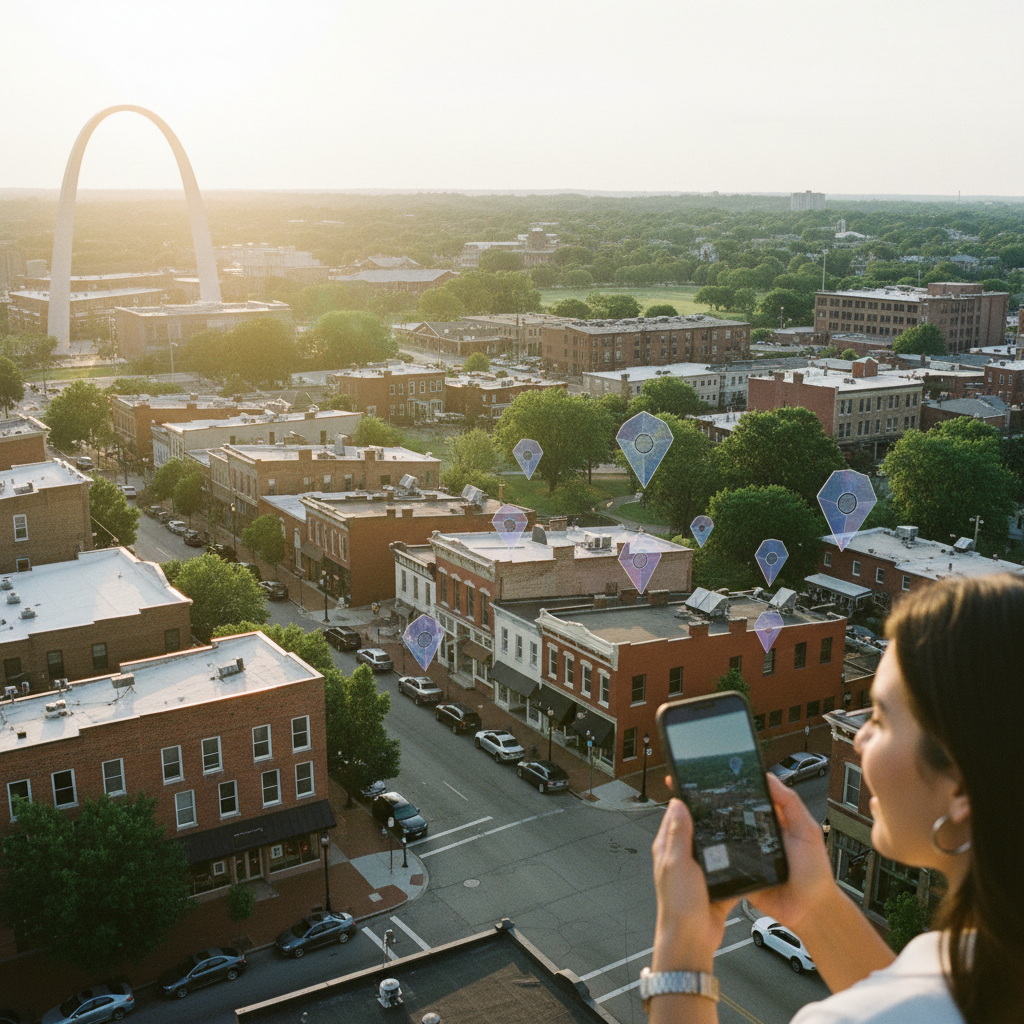
The St. Louis Business Prosperity Network: A Data-Driven Approach to Hyper-Local Integrated Business Ecosystems
St. Louis Near Me Directory connects businesses with people searching for services in St. Louis and communities throughout Missouri and Illinois. Reach more cus
Your complete resource for building measurable small business visibility in the Gateway City’s complex economic landscape
St. Louis isn’t just another metro market—it’s a 15-county economic grid where success depends on understanding neighborhood-level business dynamics rather than applying generic marketing tactics. While most small businesses struggle with online visibility using one-size-fits-all approaches, thriving Gateway City enterprises build integrated local ecosystems that connect digital presence with community partnerships, supplier relationships, and neighborhood economics.
At St Louis Near Me Directory, we’ve analyzed thousands of local business interactions across Missouri and Illinois communities. What we’ve found challenges conventional hyper-local marketing wisdom: the most successful small businesses don’t just optimize for “near me” searches—they create interconnected visibility networks that generate compound returns through strategic community positioning.
Understanding the St. Louis Economic Grid: Why Geography Drives Marketing Strategy
The St. Louis metropolitan area spans 2.8 million people across 15 counties with a combined GDP exceeding $160 billion, according to the St. Louis Economic Development Partnership. Yet this isn’t a unified market—it’s a complex grid of distinct economic zones, each with unique consumer behaviors, business densities, and competitive landscapes.
The Four-Tier St. Louis Business Environment
Based on demographic analysis and business performance patterns, St. Louis breaks into four distinct marketing environments:
Urban Core Districts (Downtown, Central West End, The Hill)
High foot traffic, tourism influence
Competition from national chains
Price-sensitive consumers with high expectations
Digital discovery through event-based searches
Suburban Growth Corridors (West County, South County)
Family-focused spending patterns
Strong word-of-mouth networks
Convenience and reliability priorities
School district and community event integration
Historic Neighborhood Zones (Soulard, Lafayette Square, Cherokee Street)
Cultural identity marketing opportunities
Tourist and local dual audiences
Authenticity and heritage positioning
Festival and cultural event dependencies
Industrial and Airport Corridors (Maryland Heights, Hazelwood)
B2B service opportunities
Transient workforce considerations
Logistics and convenience emphasis
Corporate partnership potential
Each zone requires different visibility strategies, partnership approaches, and digital positioning to generate meaningful ROI.
The St. Louis Near Me Directory Methodology: Beyond Basic Local SEO
Traditional hyper-local marketing focuses on individual tactics—Google Business Profile management, local citations, neighborhood content creation. Our St. Louis Grid Strategy takes a systems approach, recognizing that sustainable local visibility emerges from integrated business ecosystem participation rather than isolated marketing efforts.
The Five-Layer Visibility Framework
Layer 1: Digital Foundation Complete business profile management across all relevant platforms, with St. Louis Near Me Directory providing verified listings that connect to broader community resources. This includes our Done-For-You Profile Setup service, ensuring technical accuracy without requiring business owners to become digital marketing experts.
Layer 2: Community Integration Active participation in neighborhood business associations, local events, and civic initiatives. The All Events feature within our directory helps businesses identify partnership opportunities while promoting their own community involvement.
Layer 3: Supplier Ecosystem Networking Building B2B relationships with other St. Louis businesses creates referral networks and shared marketing opportunities. Our All Jobs and All Classifieds sections facilitate these business-to-business connections.
Layer 4: Customer Experience Amplification Using customer success stories, local testimonials, and community impact messaging to build authentic neighborhood authority. The All Videos and photo showcase capabilities enable rich storytelling.
Layer 5: Crisis-Resistant Diversification Multiple customer acquisition channels, supplier relationships, and revenue streams that provide stability during economic disruptions or seasonal fluctuations.
ROI Measurement Framework for St. Louis Small Businesses
Most hyper-local marketing discussions avoid specific ROI measurement, leaving business owners uncertain about investment returns. Based on analysis of successful St. Louis businesses, here’s a practical calculation framework:
Primary Visibility Metrics
Local Search Performance
Track rankings for “[service] near [specific St. Louis neighborhood]”
Monitor click-to-call rates from directory listings
Measure direction requests and website visits from local sources
Community Engagement ROI
Calculate customer acquisition cost from local events and partnerships
Track referral revenue from other St. Louis businesses
Measure repeat customer rates from neighborhood-based marketing
Digital Integration Returns
Compare lead quality from local directory listings vs. generic platforms
Track conversion rates from community-specific content
Measure customer lifetime value from hyper-local channels
The 90-Day St. Louis Visibility Assessment
We recommend quarterly measurement cycles that account for seasonal variations in St. Louis consumer behavior:
Month 1: Baseline establishment across all five visibility layers
Month 2: Community integration and partnership development
Month 3: Performance analysis and strategy adjustment
Businesses using this systematic approach typically see measurable improvement in local search visibility within 60 days, with referral network development showing results by month three.
Industry-Specific Strategies for St. Louis’s Key Business Sectors
The Gateway City’s economy centers around healthcare, manufacturing, logistics, and professional services—each requiring distinct ecosystem approaches.
Healthcare and Wellness Businesses
St. Louis’s position as a regional medical hub creates unique opportunities for local healthcare providers. Successful practices build visibility through:
Partnership with major medical institutions (BJC, Mercy, SSM Health)
Integration with neighborhood fitness centers and wellness businesses
Participation in community health fairs and educational events
Specialized content addressing regional health concerns
Manufacturing and Industrial Services
The metropolitan area’s manufacturing base supports extensive B2B service opportunities. Effective ecosystem strategies include:
Supplier diversity program participation with major manufacturers
Industrial corridor networking (Lambert Airport area, Hazelwood)
Trade association active membership and leadership
Specialized equipment and emergency service positioning
Professional Services and Consulting
With numerous corporate headquarters and growing startup activity, professional services businesses succeed through:
Chamber of Commerce active involvement across multiple counties
University partnership development (Washington University, SLU, UMSL)
Specialized expertise in St. Louis’s key industries
Thought leadership content addressing regional business challenges
Retail and Hospitality
Tourism and local shopping patterns create distinct opportunities for retail businesses:
Historic district and cultural corridor positioning
Festival and event vendor participation
Cross-promotion with complementary neighborhood businesses
Seasonal strategy adaptation for tourism fluctuations
Building Crisis-Resistant Local Marketing Systems
The COVID-19 pandemic demonstrated the vulnerability of businesses dependent on single marketing channels or customer sources. Crisis-resistant local marketing builds multiple visibility streams that provide stability during disruptions.
Diversified Customer Acquisition
Successful St. Louis businesses maintain at least four distinct customer acquisition channels:
Digital Discovery: Search engines, directory listings, social media
Community Networks: Local events, neighborhood associations, civic involvement
Business Partnerships: Referrals from complementary service providers
Customer Advocacy: Word-of-mouth, testimonials, repeat business programs
Businesses relying heavily on any single channel face significant risk during market disruptions or algorithm changes.
Local Supply Chain Integration
The “Buy Local St. Louis” movement creates opportunities for businesses that source products and services locally. This approach provides:
Reduced transportation costs and delivery delays
Marketing advantages through local sourcing messaging
Stronger business relationships and referral networks
Greater supply chain reliability during disruptions
Community Investment Strategy
Businesses that actively contribute to neighborhood economic development build long-term customer loyalty and community support. This includes:
Local hiring and workforce development participation
Neighborhood improvement project involvement
Local charity and nonprofit organization support
Civic leadership and community advisory roles
Advanced St. Louis Market Intelligence: Demographic Shifts and Opportunities
Understanding demographic trends across the St. Louis metropolitan area helps businesses anticipate market changes and position for growth opportunities.
Population Movement Patterns
According to U.S. Census data, St. Louis experiences specific migration patterns that create business opportunities:
Young professional migration to urban core districts creates demand for convenience services, dining, and entertainment
Family relocation to suburban corridors increases need for home services, healthcare, and education support
Retirement community growth in certain counties creates opportunities for specialized services and healthcare
Businesses that track these patterns and adjust their marketing accordingly gain competitive advantages in emerging markets.
Economic Development Zone Opportunities
St. Louis maintains numerous economic development initiatives that create business opportunities:
Tax Increment Financing (TIF) districts offer development incentives
Opportunity Zones provide tax advantages for business investment
Enterprise Zones offer employment and investment incentives
Historic preservation districts provide renovation and development support
Businesses that align their location and expansion strategies with these initiatives often access funding, tax benefits, and customer traffic from development projects.
Technology Integration for St. Louis Small Business Ecosystems
Voice Search and Mobile Optimization
With 50% of consumers who conduct local searches on smartphones visiting stores within a day, according to Google research, mobile optimization becomes critical for St. Louis businesses.
Effective mobile strategies include:
Location-specific content for different St. Louis neighborhoods
Voice search optimization for conversational queries
Mobile-friendly booking and contact systems
GPS integration for accurate location discovery
Customer Relationship Management
Integrated CRM systems help St. Louis businesses track customer interactions across multiple touchpoints:
Local event attendance and follow-up communication
Referral source tracking from business partnerships
Seasonal customer behavior patterns specific to St. Louis markets
Community involvement impact on customer acquisition
Data-Driven Decision Making
Successful businesses use local market data to guide strategy decisions:
Neighborhood demographic analysis for service expansion
Competitor activity monitoring across different St. Louis zones
Customer feedback analysis for service improvement
Partnership ROI measurement and optimization
Frequently Asked Questions
What is hyper local marketing?
Hyper-local marketing focuses marketing efforts on extremely specific geographic areas—often individual neighborhoods or business districts within a larger metropolitan area. For St. Louis businesses, this means creating distinct strategies for areas like The Hill versus West County, recognizing that each has different customer behaviors, competitive landscapes, and community dynamics. Effective hyper-local marketing combines digital presence optimization with genuine community engagement and business ecosystem participation.
What business is booming right now?
In the St. Louis market, healthcare services, logistics and transportation, and specialized professional services show consistent growth. The region’s position as a transportation hub creates ongoing demand for logistics support, while the presence of major medical institutions drives healthcare service needs. Additionally, businesses serving the growing urban core revitalization projects and suburban development find steady opportunities. Success often depends more on local market positioning than industry selection.
What fortune 500 companies are in St. Louis?
St. Louis hosts several Fortune 500 companies including Enterprise Holdings, Emerson Electric, Centene Corporation, and Reinsurance Group of America. These major employers create extensive B2B service opportunities for local businesses, from catering and office services to specialized professional consulting. Many successful St. Louis small businesses build growth strategies around serving these large employers and their employee bases.
Who is the CEO of Greater St Louis?
Jason Hall serves as CEO of Greater St. Louis Inc., the regional economic development organization. Understanding regional economic development leadership helps local businesses align with growth initiatives, access development programs, and participate in business attraction and retention efforts. Many successful small businesses benefit from engagement with regional economic development programs and networking opportunities.
Getting Started: Your St. Louis Business Ecosystem Action Plan
Phase 1: Foundation Building (Weeks 1-4)
Complete your St Louis Near Me Directory profile with comprehensive business information
Audit your current digital presence across all local platforms and directories
Identify your specific St. Louis market zone and research competitor activity
List local business associations and community organizations in your area
Map potential business partnerships and referral source opportunities
Phase 2: Community Integration (Weeks 5-8)
Join relevant business associations and attend networking events
Participate in community events as a vendor, sponsor, or volunteer
Establish partnerships with complementary local businesses
Begin local content creation focused on neighborhood topics and community involvement
Track initial performance metrics for baseline measurement
Phase 3: Ecosystem Optimization (Weeks 9-12)
Analyze performance data from all visibility channels
Adjust strategies based on what’s working in your specific market zone
Expand successful partnerships and eliminate underperforming efforts
Plan seasonal adjustments for St. Louis market patterns
Set long-term growth targets based on initial results
Success Measurement Framework
30-Day Checkpoints:
Digital profile completion and optimization
Community engagement initiation
Partnership development progress
Initial performance metric establishment
60-Day Assessments:
Local search ranking improvements
Community relationship development
Customer acquisition from new channels
Referral network activity
90-Day Strategic Review:
Overall ROI calculation across all channels
Market position assessment relative to competitors
Long-term strategy adjustment based on results
Next quarter planning and goal setting
About St Louis Near Me Directory
St Louis Near Me Directory serves as the comprehensive business ecosystem platform for the St. Louis metropolitan area, connecting local businesses with customers, partners, and community resources. Our Gold, Platinum, Diamond, and Authority Tier membership plans provide businesses with the tools and visibility needed to thrive in the Gateway City’s complex market landscape.
With verified business listings, event promotion capabilities, job board integration, and comprehensive multimedia showcases, we help local businesses Stop Being Invisible through strategic community positioning and measurable digital presence development.
Our Done-For-You Profile Setup and FREE AI Business Audit services remove technical barriers while providing the strategic guidance businesses need to build sustainable local market presence. Whether you’re a established St. Louis business looking to expand your reach or a new entrepreneur entering the market, we provide the Community resources and Local Visibility solutions that turn neighborhood presence into measurable business growth.
Ready to build your St. Louis business ecosystem? Contact St Louis Near Me Directory at (314) 756-8500 or visit our comprehensive directory platform to begin your Local Visibility transformation today.
This resource guide represents the collective insights and practical experience of the St Louis Near Me Directory team, dedicated to building stronger local business communities throughout the St. Louis metropolitan area.