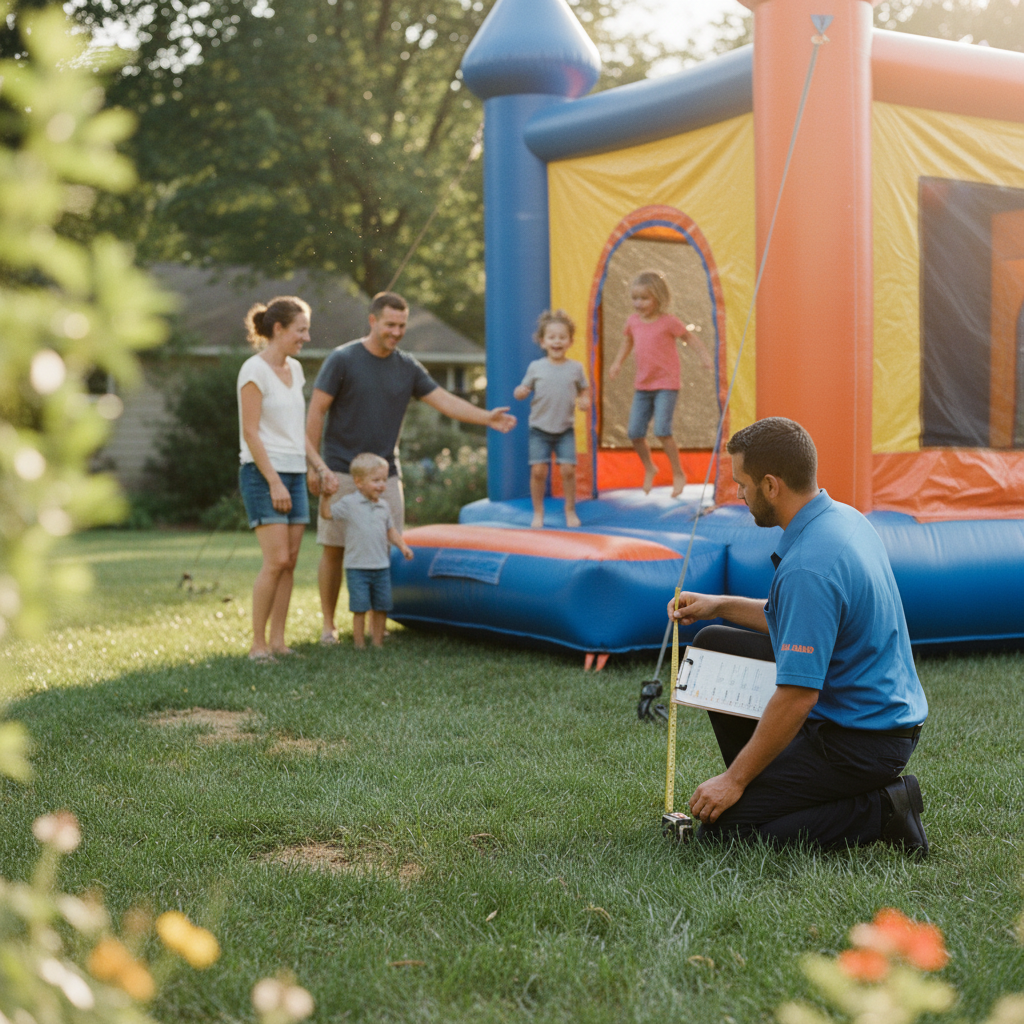
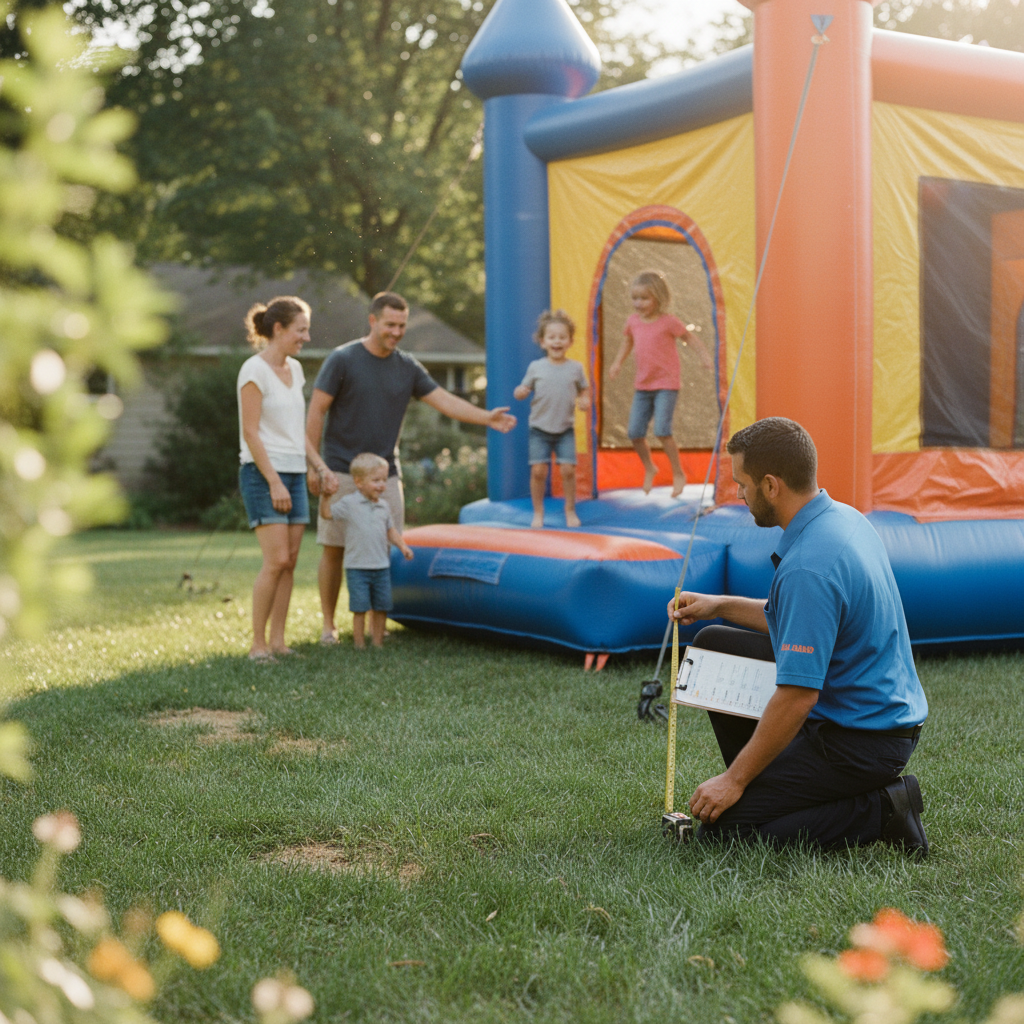
Bounce House Safety Guidelines: Essential Tips for Safe Jumping Fun
Bounce House Rentals Austin TX - Jump Around Party Rentals - 512-294-2221 In the heart of Austin, TX, Jump Around Party Rentals takes center stage as the go-to
Bounce House Safety Guidelines: Ensuring Fun, Preventing Injuries
When children’s laughter fills your backyard during a party, the last thing on your mind should be worrying about potential accidents. Yet every year, thousands of emergency room visits stem from inflatable bounce house incidents that could have been prevented with proper safety measures. The difference between a memorable celebration and a trip to the hospital often comes down to following established safety protocols and maintaining vigilant oversight.
Bounce house safety guidelines are crucial protocols designed to ensure a safe environment for all participants, especially children, when using inflatable amusement rentals. Adhering to these guidelines, from proper setup and supervision to enforcing user rules, significantly reduces the risk of accidents and promotes a fun experience.
The foundation of safe operation of moonwalks begins before the first child even steps foot inside the inflatable structure. Professional rental companies like Jump Around Party Rentals’s bounce house safety guidelines experts understand that proper anchoring and setup protocols serve as the cornerstone of accident prevention. Without secure installation, even the most well-maintained bounce house becomes a liability.
Modern children’s party jumper precautions extend far beyond basic setup requirements. Active supervision, weight limit enforcement, and understanding manufacturer specifications create multiple layers of protection for young participants. These comprehensive safety measures transform what could be a risky activity into the highlight of any celebration.
The most effective injury prevention strategy combines professional installation with educated supervision and clear participant guidelines.
Throughout this guide, you’ll discover essential safety protocols that protect children while maximizing their enjoyment, from pre-party preparation through post-event cleanup procedures.
Choosing the Right Inflatable for Safe Operation of Moonwalks

Selecting the appropriate inflatable involves considering the age and number of users, the available space, and ensuring the unit meets safety standards. Jump Around Party Rentals offers a variety of units designed with safety in mind for diverse events.
The foundation of safe operation of moonwalks begins with choosing the right equipment for your specific event needs. Modern inflatable units come in various sizes and configurations, each designed for different age groups and capacity requirements. When selecting your rental, consider factors beyond just entertainment value – safety specifications and proper sizing are paramount to preventing injuries on inflatables.
Key Selection Criteria for Safe Inflatable Rentals:
Age-Appropriate Design - Match the inflatable type to your guests’ ages and developmental needs
Capacity Planning - Calculate expected users against manufacturer weight limits
Space Requirements - Ensure adequate clearance for safe setup and operation
Professional Maintenance History - Verify regular inspection and maintenance records
Safety Certification - Confirm the unit meets current industry safety standards
Weight limits for bouncy castles typically range from 500 to 1,500 pounds total capacity, but this varies significantly by unit size and design. The inflatable bouncy castle rules established by reputable rental companies like Jump Around Party Rentals include detailed capacity guidelines that account for both total weight and individual user limits.
Professional rental companies maintain detailed maintenance logs and conduct regular safety inspections to ensure every unit meets stringent operational standards.
Before finalizing your rental agreement, request documentation of recent professional maintenance and inspection records. Quality rental providers perform comprehensive safety checks including seam integrity, anchor point strength, and blower functionality. Understanding bounce house rental agreements helps ensure you receive properly maintained equipment that prioritizes guest safety above all else.
Children’s party jumper precautions should include verifying the rental company’s commitment to regular equipment rotation and replacement schedules, ensuring your event features well-maintained, safe inflatables.
Pre-Setup: Your Jumper Safety Checklist for Events

Before any bounce house is inflated, a thorough pre-setup checklist should be followed, including inspecting the setup area, ensuring adequate space, and preparing for anchor points. This proactive step is vital for preventing injuries on inflatables and ensures a safe jumping experience for all participants.
According to the U.S. Consumer Product Safety Commission, observing proper setup procedures is crucial for minimizing the risk of inflatable-related accidents.
A comprehensive safety inspection begins hours before guests arrive. Jump Around Party Rentals’s bounce house safety guidelines experts recommend following this essential pre-setup protocol:
Essential Pre-Setup Safety Checklist:
Clear the designated area of all debris, rocks, sticks, and sharp objects within a 10-foot perimeter
Inspect ground conditions for level surfaces, avoiding slopes greater than 5 degrees
Identify overhead hazards including tree branches, power lines, and structures (minimum 15-foot clearance)
Verify power access with dedicated circuits capable of handling continuous blower operation
Plan anchor point locations for stakes or sandbags based on ground type and weather conditions
Check weather conditions and wind speeds (operation should cease at winds exceeding 15 mph)
The setup surface plays a crucial role in safe operation of moonwalks. Grass provides ideal traction for anchoring, while concrete requires specialized sandbag systems. Avoid setting up on gravel, mulch, or uneven terrain that could compromise stability.
Power requirements demand serious attention for children’s party jumper precautions. Ensure electrical outlets can handle 15-20 amp loads continuously, and always use GFCI-protected circuits near outdoor setups. Extension cords should be heavy-duty, outdoor-rated, and properly secured to prevent tripping hazards.
Understanding how to secure a bounce house properly involves selecting appropriate anchoring methods based on surface conditions and expected wind loads during your event.
How to Secure a Bounce House: Moonwalk Stability and Wind Concerns

Properly securing a bounce house involves using manufacturer-recommended anchors, stakes, or sandbags to prevent shifting or tipping, especially considering moonwalk stability and wind concerns. Always adhere to guidelines specific to the inflatable and ground type for optimal safety.
Proper anchoring is the foundation of safe operation of moonwalks and requires attention to multiple critical factors. Weather conditions play a particularly important role, as wind speeds exceeding 15-20 mph can create dangerous situations even with properly secured inflatables.
Essential Anchoring Methods:
Heavy-duty stakes: Drive 18-24 inch steel stakes completely into the ground at a 45-degree angle
Sandbags: Use minimum 40-pound sandbags when stakes cannot penetrate hard surfaces
Concrete anchors: Employ specialized concrete anchors for permanent installations on paved surfaces
Water barrels: Fill with 150+ pounds of water for temporary concrete surface anchoring
Bounce house safety guidelines experts at Jump Around Party Rentals emphasize the importance of utilizing every anchor point provided by the manufacturer. Most commercial-grade inflatables feature 6-8 anchor points that must all be secured simultaneously to ensure proper weight distribution and stability.
Wind monitoring requires constant vigilance throughout your event. Check local weather forecasts before setup and monitor conditions hourly during operation. Deflate immediately if sustained winds reach 20 mph or gusts exceed 25 mph, regardless of anchoring quality. The American Society for Testing and Materials (ASTM) F2374 standard for inflatable amusements advises against operation in wind speeds exceeding 25 mph or when wind gusts exceed 20 mph.1
Regular anchor inspection during use prevents gradual loosening that can compromise inflatable bouncy castle rules and participant safety.
Ground conditions significantly impact anchoring effectiveness. Soft soil provides excellent stake penetration, while rocky or frozen ground may require alternative securing methods. Always test anchor integrity by applying firm pressure to the inflatable’s corners after initial setup and periodically throughout the event.
Active Supervision: Essential for Preventing Injuries on Inflatables

Constant, active adult supervision is indispensable for ensuring safety on inflatables, as it allows supervisors to enforce inflatable bouncy castle rules, manage participant behavior, and intervene promptly in case of an incident. This is key to children’s party jumper precautions.
Active supervision goes far beyond simply being present near the bounce house. It requires dedicated attention, strategic positioning, and immediate responsiveness to potential safety issues. Studies from the U.S. Consumer Product Safety Commission indicate that the majority of inflatable-related injuries occur when supervision is inadequate or distracted.2
The most critical aspect of effective supervision is maintaining a clear line of sight to all participants at all times. Position yourself where you can observe every section of the inflatable, including entrance and exit areas. Avoid using phones, engaging in lengthy conversations, or multitasking while supervising. Jump Around Party Rentals’s bounce house safety guidelines experts emphasize that supervisors should treat this role as their primary responsibility during party activities.
“Effective supervision means being proactive, not reactive. The best supervisors prevent incidents before they happen by maintaining constant vigilance and clear communication with jumpers.”
Essential Supervision Checklist:
Enforce safety rules consistently - No roughhousing, somersaults, or climbing on walls
Monitor capacity limits - Rotate children in groups to prevent overcrowding
Watch for fatigue - Remove tired children who may be more prone to falls
Separate age groups - Keep smaller children away from larger, more active jumpers
Inspect equipment regularly - Check for tears, loose anchoring, or deflation issues
Control entry and exit - Ensure only one person uses the entrance/exit at a time
Understanding preventing injuries on inflatables requires recognizing common behavioral patterns that lead to accidents. Children often become overexcited and forget safety rules, making consistent rule enforcement crucial. Supervisors should use positive reinforcement and clear verbal instructions rather than shouting or creating anxiety.
Weather monitoring is another vital supervisory responsibility. Wind speeds above 15 mph can create dangerous conditions, requiring immediate evacuation. Safe operation of moonwalks depends on supervisors making quick decisions about weather-related safety concerns, even if it means ending the fun early to protect participants.
Understanding Rental Guidelines for Bounce Houses & Agreements

Party rental companies like Jump Around Party Rentals provide specific rental guidelines and agreements that outline user responsibilities, safety protocols, and operational expectations. Thoroughly reading and understanding these documents is crucial for a smooth and safe rental experience.
Rental duration and usage policies form the foundation of any bounce house agreement. Most companies establish specific pickup and delivery windows, typically ranging from 4-8 hour rental periods. Understanding these timeframes helps prevent additional fees and ensures proper scheduling. The inflatable bouncy castle rules often include capacity limits, age restrictions, and prohibited activities that could void insurance coverage or result in injury.
Weight limits and supervision requirements represent critical safety components within rental agreements. Standard bounce houses typically accommodate 6-8 children with a maximum weight capacity of 800-1000 pounds total. Adult supervision ratios usually require one responsible adult for every 6-10 children, depending on ages and bounce house size.
“Clear understanding of rental terms protects both families and rental companies, ensuring everyone enjoys a safe, memorable celebration.”
Damage responsibility clauses outline financial obligations for repairs or replacement costs. Common scenarios include:
Punctures from sharp objects or shoes
Staining from food, drinks, or bodily fluids
Structural damage from overcrowding or misuse
Weather-related incidents during unsupervised use
Emergency procedures and first aid protocols should be clearly established before the event begins. Bounce house safety guidelines experts at Jump Around Party Rentals typically provide emergency contact numbers and basic injury response procedures. Understanding safe operation of moonwalks includes knowing when to evacuate due to weather conditions, power outages, or equipment malfunctions.
Modern rental agreements also address liability insurance coverage, cancellation policies, and specific setup requirements that ensure optimal safety performance throughout your event.
Beyond the Backyard: Commercial Bounce House Regulations & Best Practices

While backyard inflatables have simple guidelines, larger events and commercial operations are subject to specific commercial bounce house regulations and best practices. These often include stricter inspection requirements, fire safety protocols, and professional operator certifications.
When operating inflatable equipment at commercial venues, schools, or large public events, safe operation of moonwalks requires adherence to comprehensive regulatory frameworks that go far beyond basic residential use guidelines.
Essential Commercial Compliance Requirements
Commercial bounce house operations must follow these critical regulatory standards:
State amusement device licensing - Most states require annual permits and inspections for commercial inflatables
Professional liability insurance coverage specifically for inflatable equipment
Fire department approvals for events in certain venues or crowd sizes
Certified operator training programs covering emergency procedures and equipment maintenance
Regular structural inspections by qualified technicians every 30-90 days
Detailed incident reporting protocols and safety documentation
“Commercial operators face significantly higher liability exposure, making strict adherence to preventing injuries on inflatables protocols absolutely essential for business sustainability.” - National Association of Amusement Ride Safety Officials
Staff training requirements typically include CPR certification, emergency evacuation procedures, and proper equipment setup protocols. Many jurisdictions mandate that at least one certified operator must be present during commercial events.
Bounce house safety guidelines experts at Jump Around Party Rentals maintain comprehensive training programs and inspection schedules that exceed industry minimums, ensuring full regulatory compliance across all commercial operations.
Weight limits for bouncy castles in commercial settings often require posted signage, attendance logs, and continuous monitoring systems. Professional operators must also implement rental guidelines for bounce houses that include detailed setup checklists, weather monitoring protocols, and emergency action plans specific to each venue type.
Frequently Asked Questions About Bounce House Safety
What are the most important safety rules for bounce houses? The fundamental safety guidelines include proper adult supervision, enforcing age and weight limits, removing shoes and jewelry, and ensuring secure anchoring. These inflatable bouncy castle rules form the foundation of injury prevention during party activities.
How many children can safely use a bounce house at once? Most residential bounce houses accommodate 6-8 children simultaneously, depending on size and weight capacity. The safe operation of moonwalks requires monitoring total weight rather than just counting participants, as weight limits typically range from 500-1000 pounds.
What supervision is required during bounce house use? Constant adult supervision is mandatory for all inflatable activities. Children’s party jumper precautions include designating a responsible adult to monitor entry, exit, and play behavior while ensuring safety rules are consistently enforced.
How should bounce houses be properly secured? Professional installation involves ground stakes, sandbags, or water barrels depending on surface type. Understanding how to secure a bounce house prevents dangerous movement during use, especially in windy conditions.
Expert safety tip: Never operate inflatables during inclement weather, including winds exceeding 15 mph, rain, or thunderstorm warnings.
What items are prohibited inside bounce houses? Banned items include:
Shoes, jewelry, and sharp objects
Food, drinks, and gum
Silly string or confetti
Pets or toys
How can injuries be prevented? Preventing injuries on inflatables involves separating different age groups, prohibiting flips or wrestling, and maintaining clear entry/exit procedures. Bounce house safety guidelines experts at Jump Around Party Rentals recommend regular safety briefings before each party session to ensure all participants understand proper jumping etiquette and emergency procedures.
Conclusion: Jump Safely with Jump Around Party Rentals
Prioritizing bounce house safety is paramount for any event. By following these bounce house operation guidelines, from proper setup and securing to active supervision and understanding rental terms, you can ensure a fun and injury-free experience. Jump Around Party Rentals is committed to providing safe, high-quality inflatables for your peace of mind.
Creating memorable celebrations while maintaining safety standards requires a collaborative approach between rental companies, event hosts, and participants. The responsibility for safe bounce house rentals extends beyond simply setting up the equipment – it encompasses continuous vigilance, proper preparation, and adherence to established protocols throughout your event.
“Safety isn’t just about following rules – it’s about creating an environment where children can play freely while parents can relax knowing their kids are protected.”
Regular review of safety practices ensures your bounce house experiences remain both thrilling and secure. Consider these ongoing commitments:
Schedule periodic safety refreshers before each event
Stay updated on current rental guidelines for bounce houses
Maintain open communication with your rental provider
Document any safety concerns or incidents for future reference
When selecting entertainment for your next celebration, choose reputable companies that prioritize preventing injuries on inflatables through rigorous maintenance schedules, comprehensive safety briefings, and quality equipment. Mickey Mouse bounce house combo and other offerings from Bounce house safety guidelines experts at Jump Around Party Rentals understand that your family’s safety comes first, which is why we maintain the highest standards in equipment inspection, children’s party jumper precautions, and customer education.
Ready to plan your next safe and exciting celebration? Contact our experienced team today to discuss your event needs and learn more about our commitment to inflatable playground safety. Let’s create unforgettable memories together – safely.
Frequently Asked Questions
Q: What are the 7 basic safety rules?
The 7 basic bounce house safety rules include constant adult supervision, enforcing weight and capacity limits, prohibiting shoes and sharp objects, preventing roughhousing, ensuring the unit is securely anchored, maintaining a clear landing area, and guaranteeing clear entry/exit points. Following these inflatable bouncy castle rules is crucial for a safe experience. At Jump Around Party Rentals, we prioritize these guidelines for all our rentals, offering peace of mind. Check out our bounce house safety guidelines solutions for more details.
Q: Are bounce houses safe for a 2 year old?
Bounce houses can be safe for a 2-year-old, but they require strict, constant adult supervision, segregation from older, heavier children, and selecting an inflatable appropriate for their age and size. Look for units specifically designed with softer landings and dedicated toddler areas. Our children’s party jumper precautions always emphasize age-appropriate play. Jump Around Party Rentals offers various sizes and styles suitable for younger children, ensuring a fun and safe environment. Learn more about our Jump Around Party Rentals’s expertise in safe inflatable play.
Q: What are 5 general safety rules?
Five general bounce house safety rules are: always provide constant adult supervision, never exceed the unit’s weight or capacity limits, keep jumpers away from walls and entrances, remove all shoes and loose items before entering, and ensure the unit is securely anchored at all times. Adhering to these rental guidelines for bounce houses helps prevent injuries. Jump Around Party Rentals makes preventing injuries on inflatables a top priority, providing clear instructions for safe operation. For more information, visit our bounce house safety guidelines solutions.
Q: What wind speed is unsafe for a bounce house?
Most manufacturers and industry standards recommend deflating a bounce house if wind speeds reach or exceed 15-20 MPH, as higher speeds significantly compromise the unit’s stability and pose a serious hazard. It’s critical to monitor weather conditions closely to ensure the safe operation of moonwalks. Jump Around Party Rentals provides clear instructions on how to secure a bounce house and when to cease operation due to adverse weather. We prioritize safety, so always follow our guidance on Jump Around Party Rentals’s expertise for severe weather.
- U.S. Consumer Product Safety Commission. (n.d.). ASTM F2374: Standard Practice for Design, Manufacture, Operation, Maintenance, and Public Activities of Inflatable Amusement Devices. Retrieved from https://www.cpsc.gov/s3fs-public/1569.pdf
- U.S. Consumer Product Safety Commission. (n.d.). Inflatable Bouncer-Related Injuries in Children: 2003-2013. Retrieved from https://www.cpsc.gov/content/inflatable-bouncer-related-injuries-in-children-2003-2013